The Power of the 50 Level: Why Round Numbers Continue to Drive Forex (and other) Markets
Why Round Numbers Continue to Drive Forex (and Other) Markets
50 Level
The debate between man versus machine has become increasingly relevant in today’s financial markets. With algorithmic trading accounting for a significant percentage of daily trading volume, many traders assume that human psychology has become less important. Surprisingly, the opposite appears to be true.
In the forex market especially, psychological price levels remain just as influential today as they were decades ago. Whether trades are executed by experienced discretionary traders or sophisticated algorithms, everyone is reacting to the same price data. The result is that certain levels consistently attract attention, create order flow, and influence market direction.
One level, in particular, has repeatedly proven its importance: the “50” level.
50 Level
Why Forex Is Different
Unlike many other financial markets, forex benefits from a largely uniform global price feed. Whether you’re trading in New York, London, Singapore, or Sydney, market participants are generally viewing the same prices at the same time. The primary difference between brokers is the bid/ask spread.
Other markets also have psychological levels. The S&P 500, Nasdaq 100, Bitcoin, and Gold all experience similar behavior around major round numbers. Examples include:
- S&P 500 at 7,500
- Nasdaq 100 at 30,000
- Bitcoin at $60,000
- Gold (XAUUSD) at $3,500
However, because pricing across exchanges isn’t always perfectly synchronized, these levels are often less universally observed than they are in forex.
Why Round Numbers Matter
One of the oldest observations in technical analysis is that round numbers attract orders.
Levels such as:
- EURUSD 1.1500
- GBPUSD 1.3000
- USDJPY 160.00
often become major decision points for traders.
There are many reasons why order flow clusters around these prices:
- Stop-loss orders
- Take-profit orders
- Breakout entry orders
- Option strike levels
- Institutional positioning
- Psychological comfort with whole numbers
Regardless of the reason, the outcome is the same. These levels frequently influence market sentiment and directional bias. It all comes back to supply and demand.
Thinking Like an Algo
Over years of trading, I’ve found myself identifying many of the same levels that today’s algos appear to target.
Perhaps experience trains a trader to think similarly to an algorithm. Or perhaps algorithms have simply been programmed to recognize the same recurring market behavior that experienced traders have observed for decades.
Either way, many of the trading levels I relied on years ago remain just as relevant today.
The Often-Overlooked Power of the “50” Level
While major round numbers receive plenty of attention, I believe there is another level that deserves equal consideration, especially for short-term traders.
That level is the “50” level.
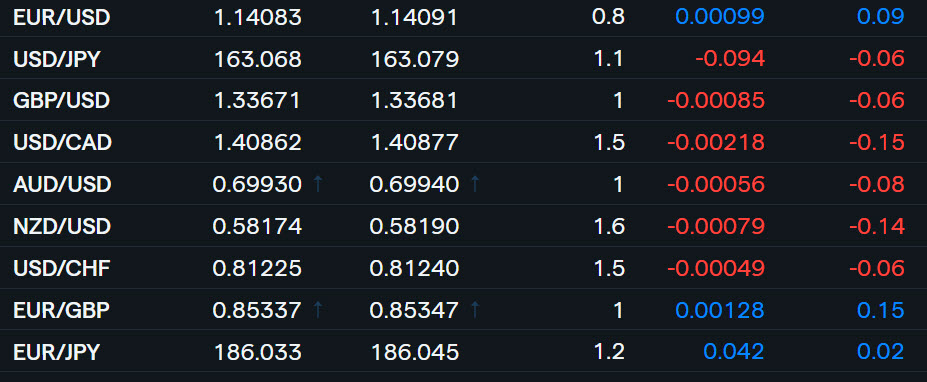
Current examples include:
- EURUSD 1.1450
- GBPUSD 1.3450
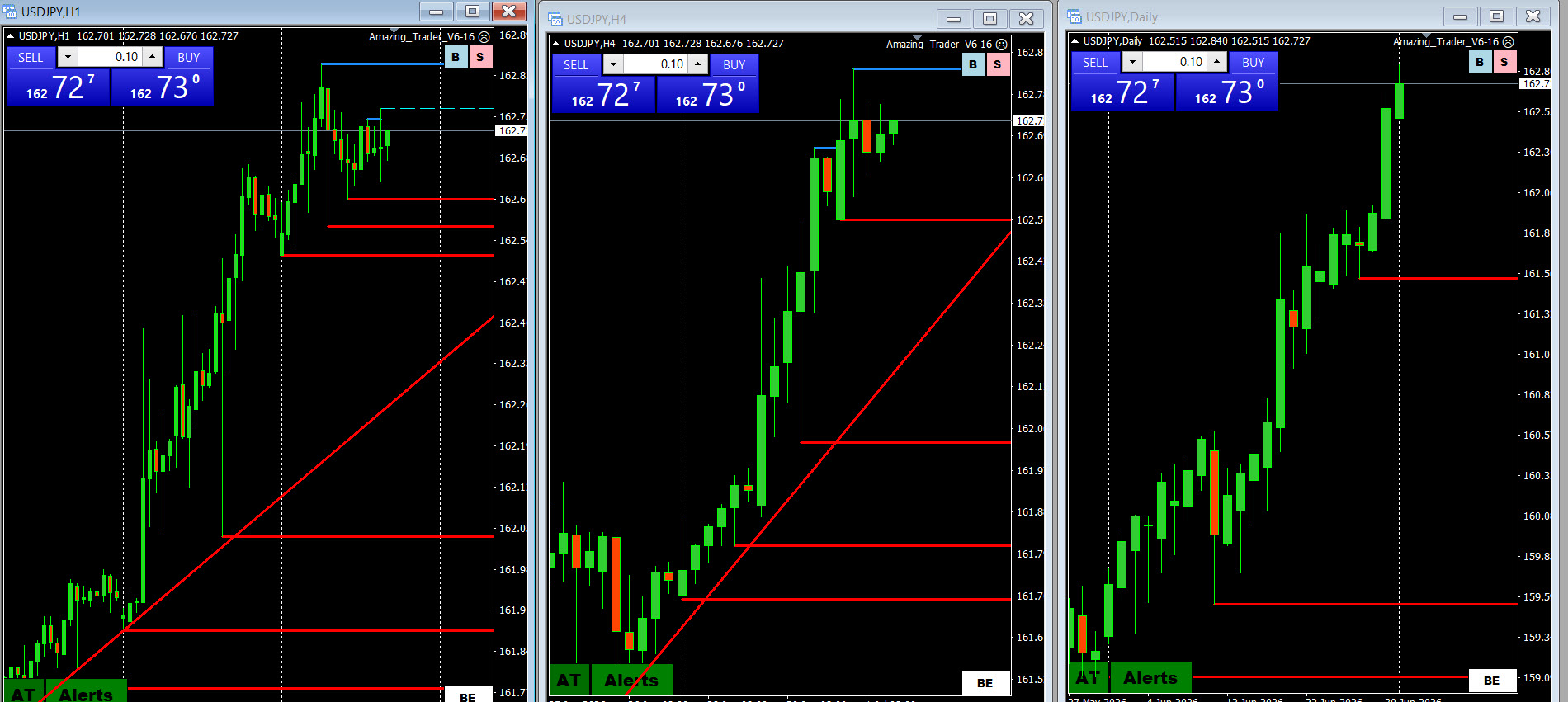
- USDJPY 162.50
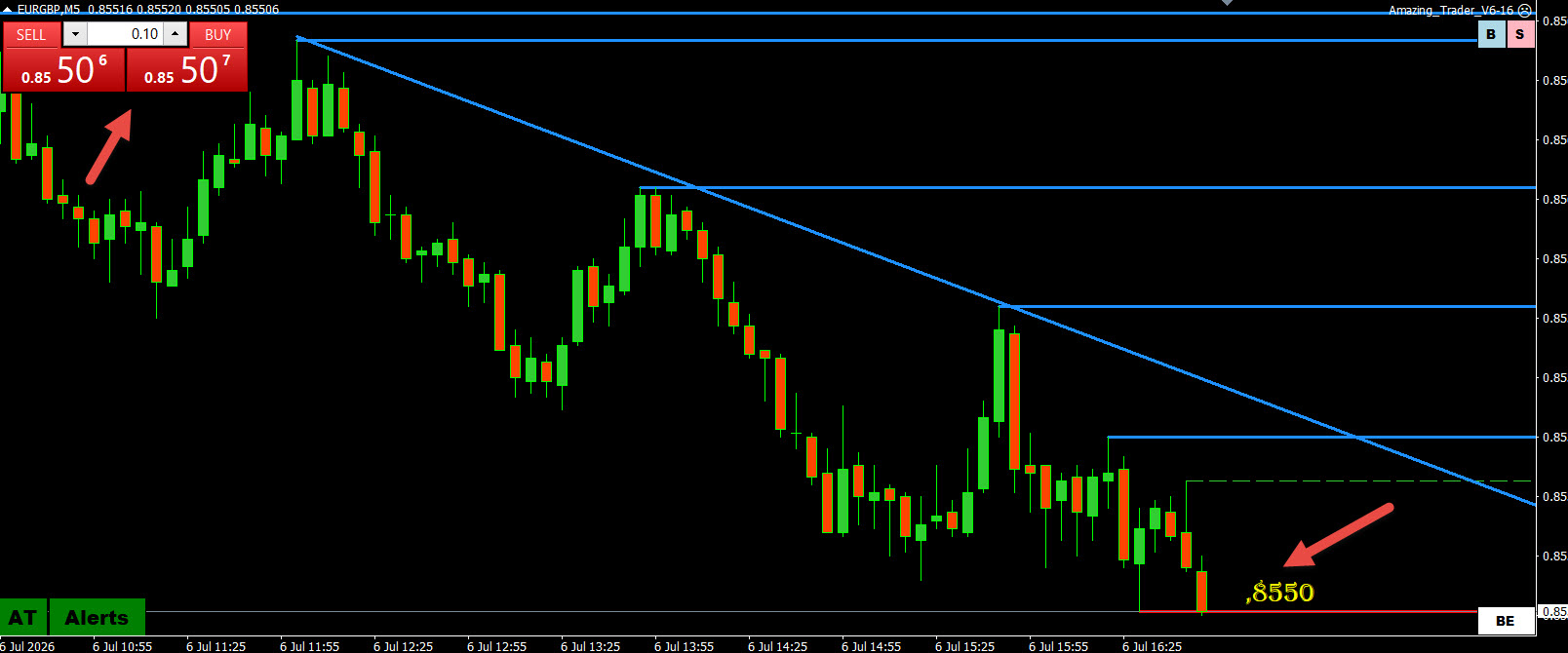
- EURGBP .8550
For day traders, these prices frequently act as pivotal decision points that help establish the market’s short-term trading bias.
GBPUSD battle for 1.3350 (“50” level)

EURGBP .8550 (“50” level) battle line as well
Why the 50 Level Matters
At first glance, the explanation seems simple.
Many traders naturally place buy orders, sell orders, stop-losses, and take-profit targets around the halfway point between major round numbers.
But there is something deeper taking place.
Watch your trading platform as price approaches a “50” level.
Notice how the market feels.
When price trades above the level, momentum often feels stronger and buyers appear more confident. When price trades below it, the market frequently feels heavier, with sellers gaining control.
That subtle psychological shift influences both discretionary traders and automated trading systems.
Whether consciously or not, the market begins treating the level as an important reference point.
How the 50 Level Influences Price Action
The “50” level can behave differently depending on market conditions.
Support and Resistance
In trending markets or during retracements, the level often becomes an area where buyers or sellers defend positions.
A Magnet for Price
Markets frequently gravitate toward the “50” level before making their next directional move. Price may oscillate around it while buyers and sellers battle for control.
Stop Hunting
Algos often recognize that many stop-loss orders accumulate around these prices. Temporary moves through the level can trigger stops before price quickly reverses or continues.
False Breakouts
One of the most valuable signals occurs when price briefly breaks through the “50” level but quickly reverses back above or below it, as if to say “mission accomplished” (i.e. stops have been run).
These failed breakouts often indicate that buyers or sellers had orders below or above the “50” level, thus rejecting the move, and that momentum is shifting in the opposite direction.
Momentum Confirmation
Conversely, when price breaks decisively through the “50” level with strong momentum and follow-through, it frequently confirms that buyers or sellers have gained control.
The Psychological Battle Between Bulls and Bears
Markets are driven by order flow, but order flow is often driven by psychology.
The “50” level frequently becomes the dividing line between bullish and bearish sentiment.
Above it, traders become more comfortable buying.
Below it, confidence often shifts toward selling.
Even sophisticated algorithms appear to recognize this behavior because they have been programmed using historical market data that repeatedly demonstrates these patterns.
In other words, psychology has become embedded within the algorithms themselves.
EURUSD: having held above 1.14 (round number), 1.1450 (“50” level) is exerting a magnetic pull

Test the Power of the 50 Level Yourself
The best way to appreciate the importance of the “50” level is to observe it in real time.
Watch how price behaves as it approaches one of these levels.
Notice:
- Does momentum accelerate?
- Does price hesitate?
- Are stop-losses triggered before a reversal?
- Does the level become support or resistance?
- Does a clean break lead to a stronger trend?
- How does your emotional bias change when a currency trades below or above the “50” level?
Over time, you’ll likely begin to recognize recurring patterns.
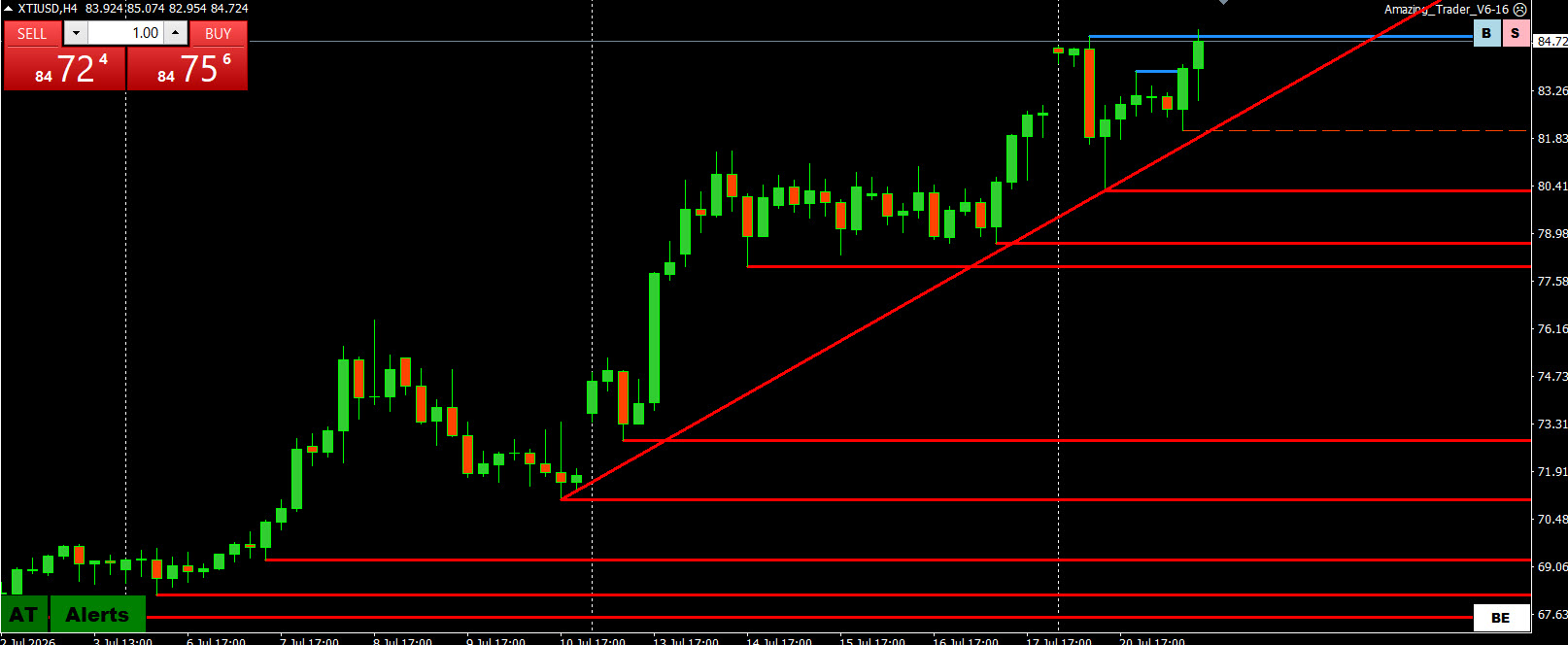
Personally, I’ve found the “50” level to be especially reliable in EURUSD, but similar behavior can often be seen across other currency pairs, Gold, equity indices, cryptocurrencies, and many liquid financial markets.
50 Level
Final Thoughts
Markets have changed dramatically over the past two decades. Algos now execute much of the world’s trading volume, artificial intelligence continues to evolve, and execution speeds have become nearly instantaneous.
Yet one thing has remained remarkably consistent.
Psychological price levels continue to influence market behavior.
Whether the orders come from human traders or sophisticated algorithms, the “50” level repeatedly acts as a pivot for sentiment, momentum, and price direction.
No indicator should ever be used in isolation, but adding the “50” level to your trading analysis can provide valuable insight into market psychology and improve your ability to identify high-probability trading opportunities.
Sometimes the smallest price levels reveal the biggest clues.
And that’s the true Power of 50.
Trading Blog
Daily Tips
About author