
Trading vs Gambling
Should I Trade
The Blurring Line Between Gambling and Modern Markets
There was a time when gambling was limited to casinos, race tracks, bookmakers, and the occasional illegal betting shop. Today, that world has completely changed.
With the rise of digital platforms, gambling is now available 24/7 from a smartphone. You can bet on sports in real time as odds shift with every goal, play, or possession. You can wager on individual player performance, coin toss outcomes, and even micro-events during live games.
Beyond sports betting, prediction markets have expanded the concept even further. Now you can speculate on elections, economic events, policy decisions, and even financial market movements.
With this level of accessibility and constant action, it is no surprise that many new traders enter the financial markets with a gambling mindset.
Why Trading Often Feels Like Gambling to Beginners
To a new trader, forex and financial markets can look and feel very similar to gambling.
Markets are open nearly 24 hours a day, prices move constantly, and trades can be placed with a click. Without experience, it can feel like placing a bet on whether price will go up or down.
However, this is where many traders make a critical mistake:
Trading is not gambling, specially in a leveraged environment.
Leverage amplifies both gains and losses, making discipline and risk control essential. Without a structured approach, trading quickly becomes random speculation rather than a calculated process.
Should I Trade
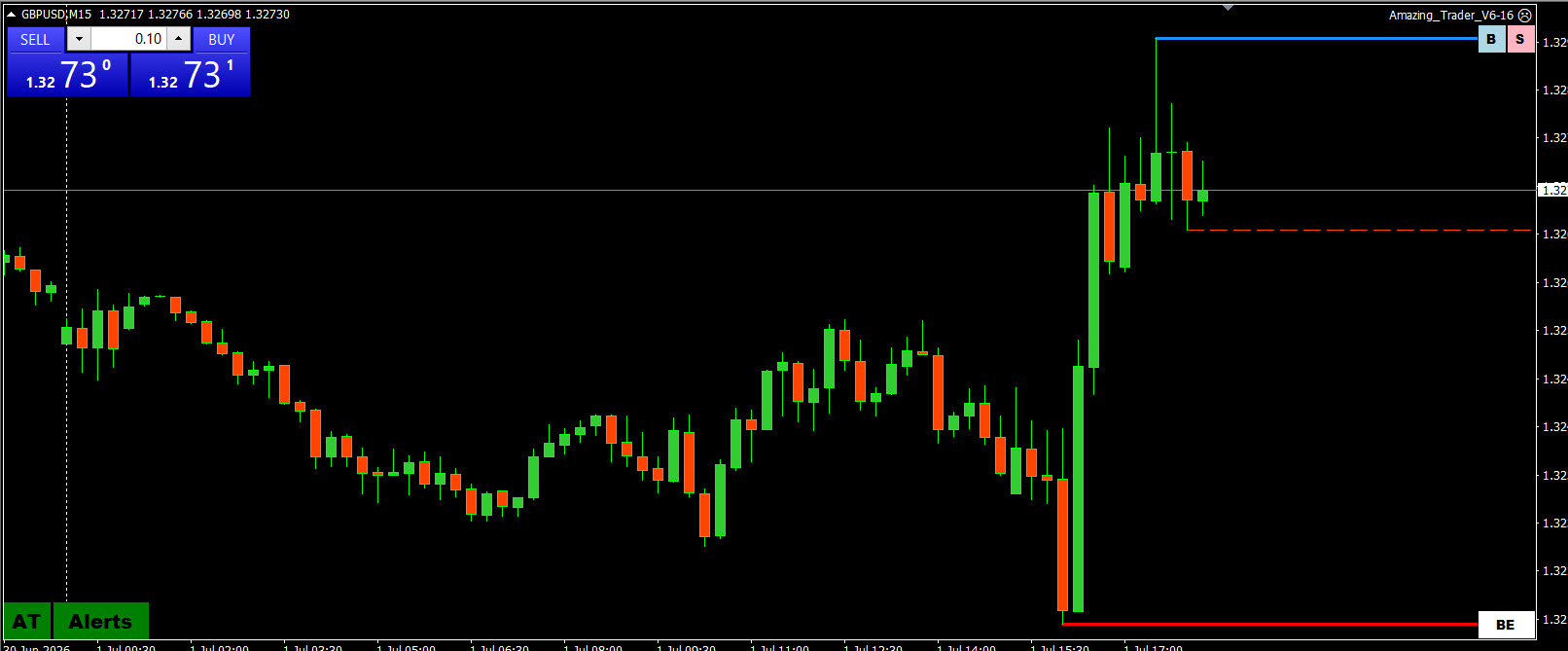
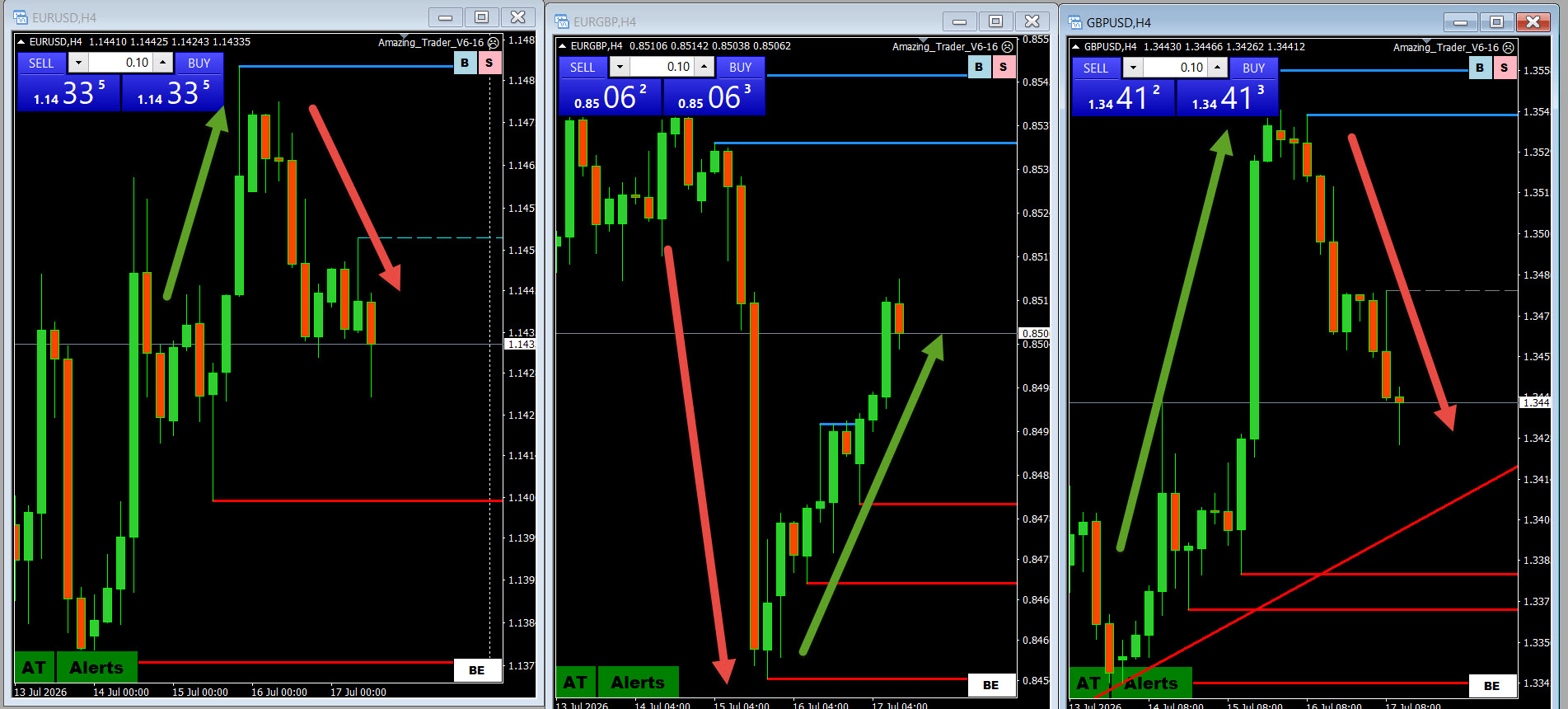
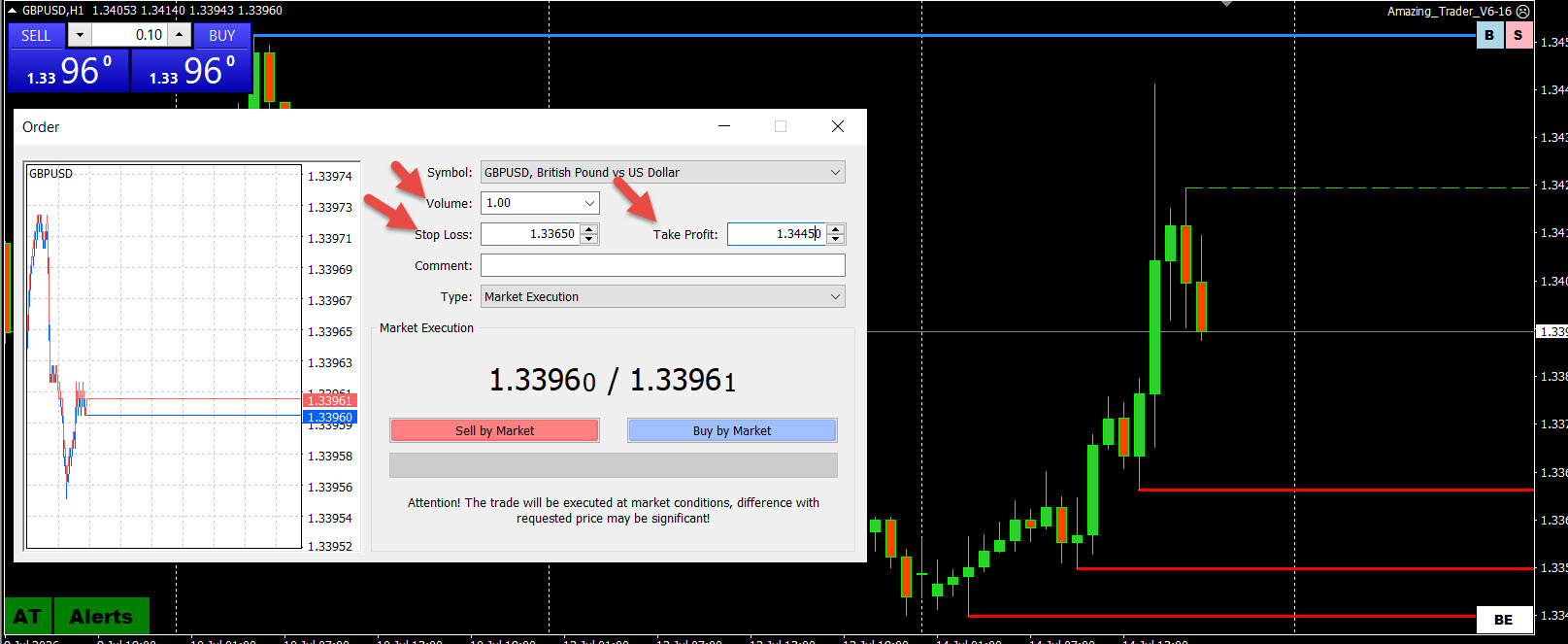
GBPUSD 15 Minute Chart
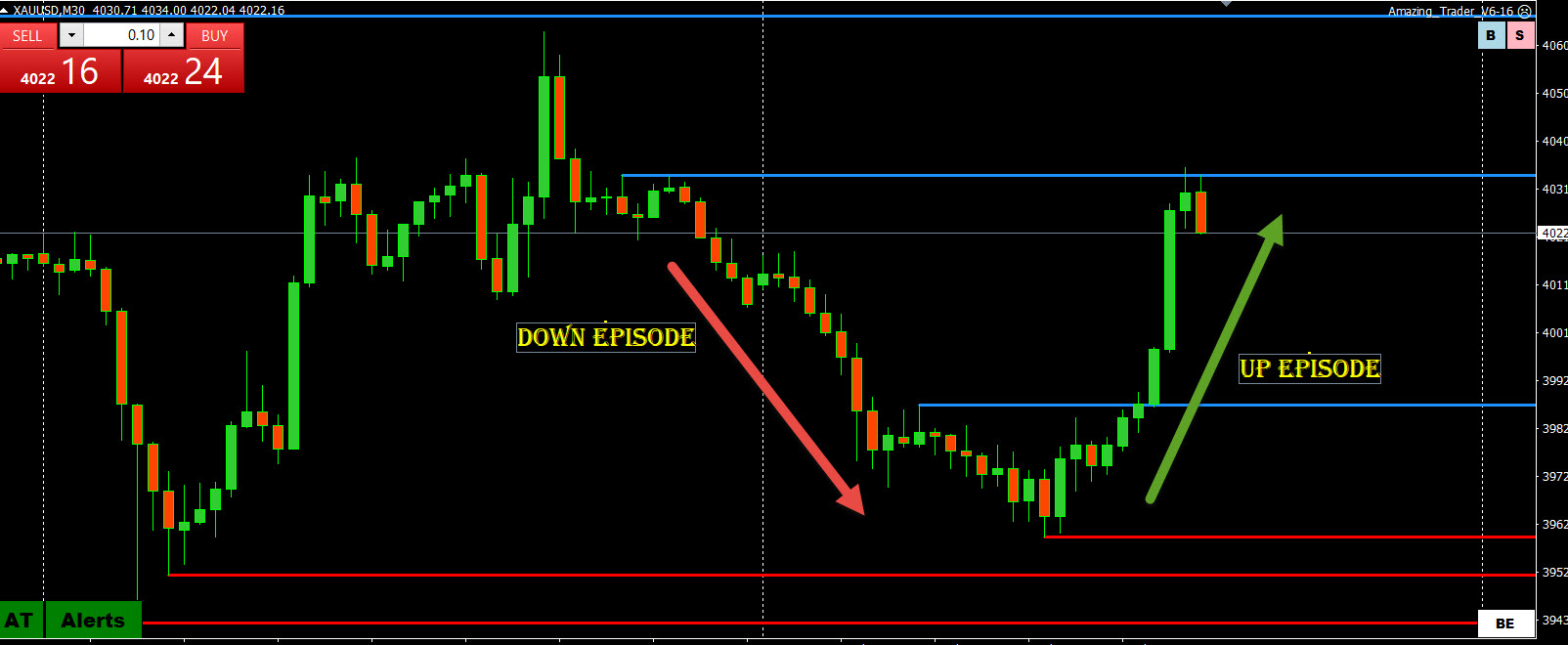
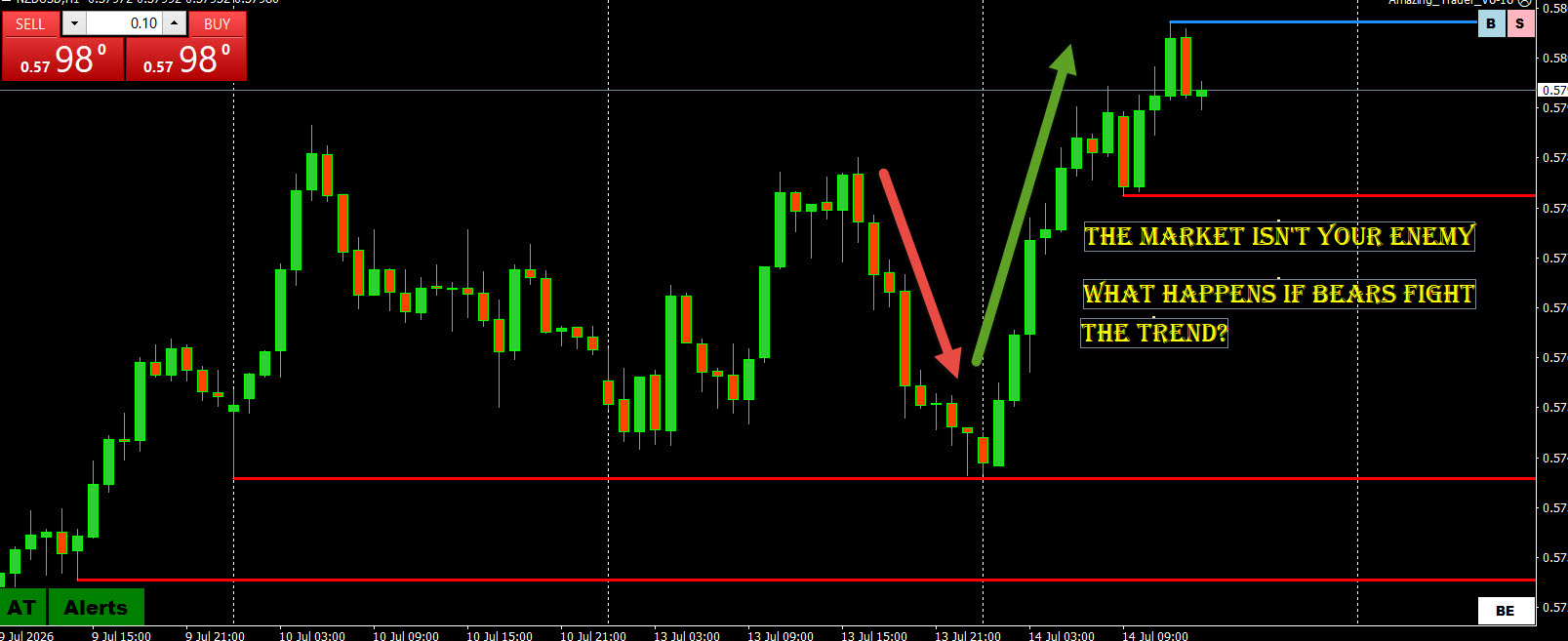
Gambler: Tries to pick a top based on gut feel.
Trader: Looks for levels to enter with the trend or wait for chart to indicate a top is in before considering a sell
Should I Trade
The Rise of Prop Trading Firms and the Discipline Challenge
In recent years, proprietary trading firms (prop firms) have become extremely popular.
These firms offer traders the opportunity to manage funded accounts after passing an evaluation process. Traders typically pay a fee, follow strict risk rules, and must demonstrate consistency before gaining access to capital.
On the surface, this seems like a structured path to professional trading.
However, many prop firms rely on a high failure rate. Their business model assumes that a large percentage of traders will not pass the evaluation, often due to poor discipline, overtrading, or gambling behavior.
In other words, they depend on traders approaching the markets without a professional mindset.
Should I Trade – Is Forex Trading Just Another Form of Gambling?
This is one of the most common and important questions in trading:
Is forex trading gambling?
The answer depends entirely on how you approach it.
Consider the difference between:
- A professional gambler who understands probabilities, manages risk, and plays only when the odds are favorable
vs. - A casual gambler who relies on luck and emotional decisions
Now apply the same comparison to trading:
- A professional trader uses a system, risk management, and structured decision-making
- A novice trader relies on hope, intuition, and random entries
The difference is not the market but the methodology.
The Gray Area Most Retail Traders Live In
Most retail traders do not fall completely into either category.
Instead, they operate in a gray zone between structured trading and emotional gambling.
They may:
- Follow a strategy inconsistently
- Overtrade after wins or losses
- Ignore risk management rules
- Move stop losses or hold losing positions too long
This inconsistency is what keeps many traders from achieving long-term success.
The temptation to “gamble” is always present, especially during losing streaks or high-volatility conditions. Without discipline, it becomes very difficult to stay on the professional side of trading behavior.
Why Money Management Separates Traders From Gamblers
The most important difference between trading and gambling is money management.
A trader with a limited account cannot rely on randomness. Without a positive expectancy strategy and proper risk control, the account will eventually be depleted.
Professional traders understand this fundamental truth:
If your strategy does not produce a mathematical edge over time, you are not trading. You are speculating.
Even a simple edge, when combined with strict risk management, can produce consistent long-term results. Without it, no amount of luck can sustain performance.
A Reality Check From Real-World Trading Experience
As I said over twenty years ago and it remains just as relevant today:
“Those who treat forex trading as if they were in a casino will see the same long-term results as when they go to Las Vegas. If you treat forex trading like a business, including proper money management, you have a better chance of success.”
This principle has not changed with technology, platforms, or market evolution.
Trading Is a Business, Not a Bet
At its core, successful trading is not about predicting every market move.
It is about:
- Developing a repeatable strategy
- Managing risk consistently
- Controlling emotional decision-making
- Executing trades with discipline
- Treating outcomes statistically, not emotionally
When you approach trading like a business, you focus on long-term performance rather than individual trades.
To sum up, the difference between trading and gambling is not the market itself but the trader’s behavior.
- Gambling is based on chance and emotion
- Trading is based on structure, probability, and risk control
The tools may look similar, and the platforms may feel like entertainment, but the mindset determines the outcome.
If you treat trading like rolling the dice, the market will eventually reflect that behavior in your results.
If you treat trading like a business, with discipline, strategy, and proper risk management, you give yourself a real chance to succeed in the long run.
Should I Trade
Daily Tips
Forex Forum
Test Plugin
About author

Add comment