Opening Week Gaps Explained: How to Trade Weekend Gaps Like a Professional
How to Trade Weekend Gaps Like a Professional
Opening Week Gaps
Every weekend, financial markets pause, but the events that move them rarely do.
While traders are away from their screens, central bankers make speeches, political events develop, economic announcements are released, and unexpected news can reshape investor sentiment. When markets reopen, prices often adjust instantly to reflect this new information, creating what traders call an opening week gap or weekend gap.
For experienced traders, these gaps can offer valuable clues about market sentiment and the direction of the week ahead. However, they can also create significant risk if traders fail to understand why the gap occurred in the first place.
Let’s take a closer look at what opening week gaps are, why they happen, and how traders can approach them with a disciplined trading plan.
Opening Week Gaps
What Is an Opening Week Gap?
An opening week gap is the difference between the previous week’s closing price and the first price quoted when the market reopens.
In the forex market, trading technically operates 24 hours a day from Monday through Friday. However, liquidity declines sharply late Friday before trading resumes on Sunday evening (New York time). The first tradable price often differs from Friday’s close, creating a weekend gap.
The same thing happens in other financial markets, such as stock index futures and commodities like gold and crude oil. These generally open one hour later, which makes their gaps less fluid than those in forex.
The larger the gap, the stronger the indication that traders are reacting to new information that became available while markets were closed.
Why Do Opening Week Gaps Occur?
Markets don’t stop processing information simply because trading has ended.
When significant news develops over the weekend, investors immediately reassess value before trading resumes.
Some of the most common causes include:
- Central bank announcements or unexpected policy comments.
- Geopolitical developments.
- Elections or political events.
- Trade negotiations and tariff announcements.
- Natural disasters or other major events.
- Unexpected economic or corporate news.
- Changes in overall market sentiment.
Liquidity also plays an important role.
When trading first resumes, relatively few market participants are active. With fewer buyers and sellers available, even modest order flow can produce larger-than-normal price swings, making stops an inviting target.
Not All Opening Week Gaps Are the Same
One of the biggest mistakes traders make is assuming every gap should be traded the same way.
Understanding why the gap occurred is often more important than the size of the gap itself.
Common Gaps
These are relatively small gaps that occur without any major fundamental catalyst.
They often develop because of normal order flow or minor weekend news and frequently retrace back toward Friday’s closing price as liquidity returns.
Breakaway Gaps
Breakaway gaps occur after significant news or major changes in market expectations.
Examples include surprise central bank decisions, unexpected election results, geopolitical events, or major trade announcements.
These gaps often signal the beginning of a new trend rather than a temporary price adjustment.
Exhaustion Gaps
Sometimes a market has already been trending strongly before the weekend.
A large opening gap in the same direction may actually signal the final stage of that move as the last buyers or sellers enter the market.
Instead of continuing, the trend may soon reverse.
This is why context is always more important than the gap itself.
Trading the Gap Fill
One of the oldest trading approaches is known as the gap fill strategy.
The basic idea is simple.
If no significant news justifies the opening gap, the market often retraces toward Friday’s closing price before deciding on its next direction.
Many short-term traders look for these retracements during the first trading session of the week.
However, traders should avoid assuming every gap will automatically fill.
Some never do.
The market only fills a gap when the original buying or selling pressure weakens enough for prices to retrace.
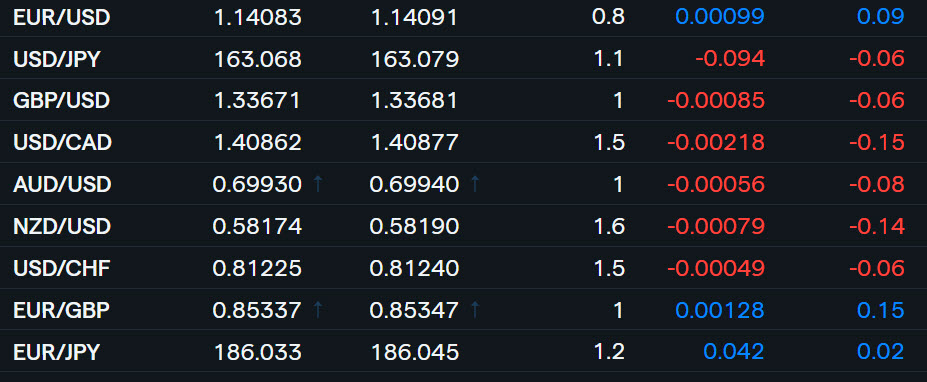
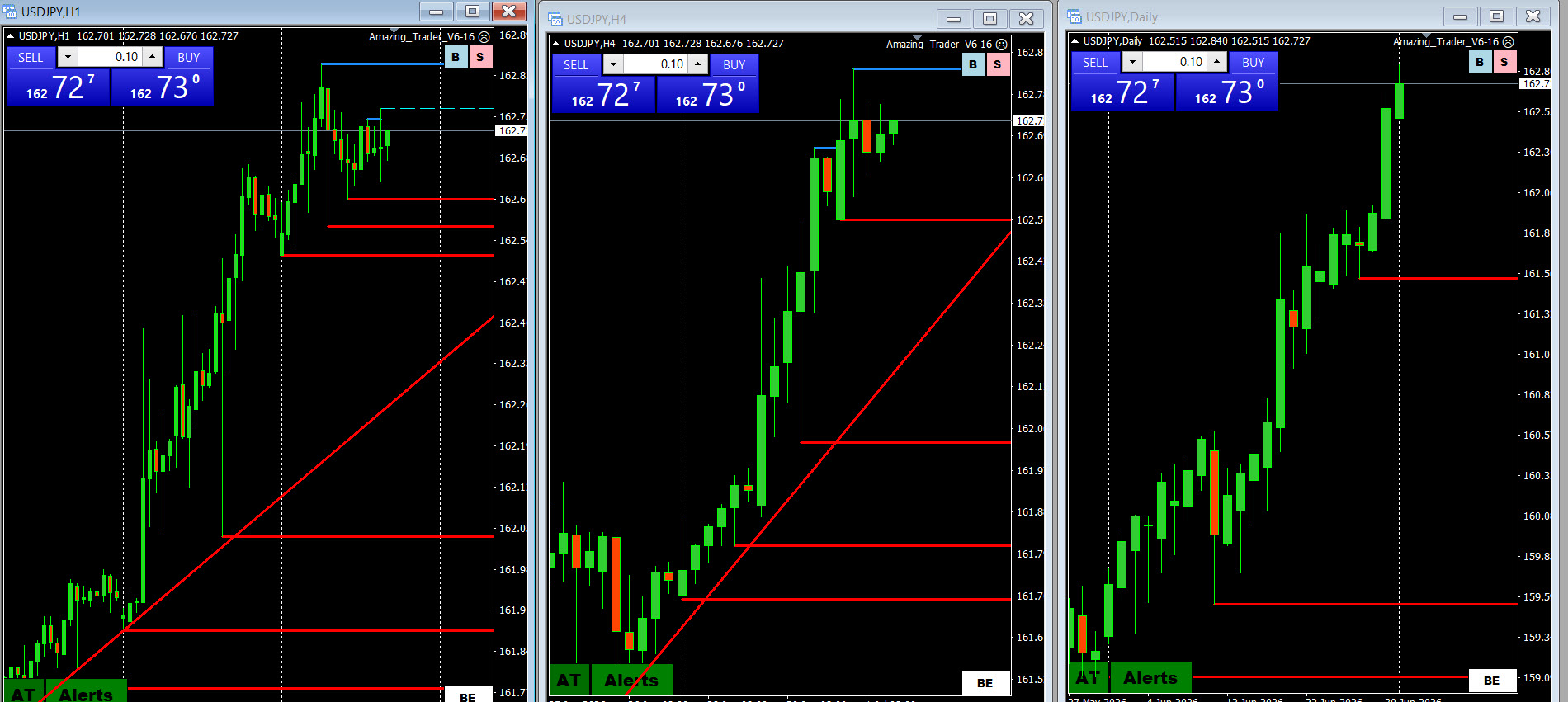
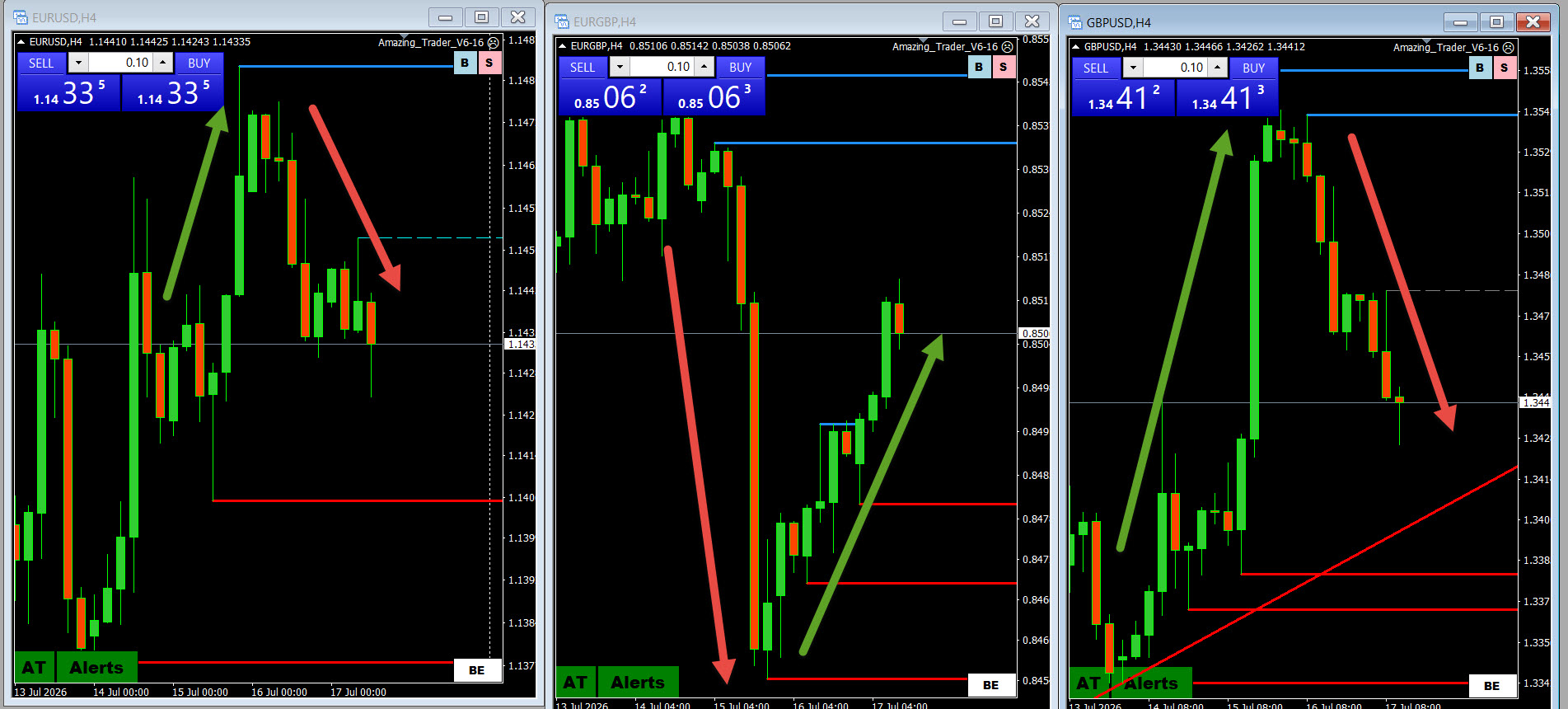
Example: Opening gaps on Sunday, July 26 (NY time) did not follow through, and attempts were made to fill the gaps.

- EURUSD came close at first (1.1376 vs. the 1.1371 gap), and the 1.1371 gap was later filled.
- USDJPY: the 163.85 gap is still unfilled.
- GBPUSD: the opening week gap was filled.
Trading With the Gap
Sometimes the opening gap represents genuine new information that changes the market’s outlook.
Rather than fading the move, professional traders often look for opportunities to trade with the direction of the gap.
Examples include:
- Surprise interest rate decisions.
- Major geopolitical developments.
- Trade agreements.
- Significant changes in monetary policy.
- Unexpected economic announcements.
In these situations, the gap may represent the beginning of a much larger move rather than a temporary pricing imbalance.
Wait for the Market to Show Its Hand
One of the most common mistakes traders make is entering immediately after the market opens.
Early trading conditions often include:
- Wide bid-offer spreads.
- Thin liquidity.
- Increased volatility.
- Rapid price swings.
Patience usually pays.
Many experienced traders prefer waiting for the market to establish an initial direction before committing capital.
Watching how price reacts during the first hour often provides valuable information about whether buyers or sellers remain in control.
Risk Management Always Comes First
Weekend gaps can create trading opportunities.
They can also produce significant losses.
Because markets can gap beyond stop-loss levels, traders should always understand the additional risk associated with holding positions over the weekend.
Good risk management includes:
- Defining risk before entering the trade.
- Using appropriate position sizing.
- Avoiding excessive leverage.
- Being prepared for increased volatility.
Remember, protecting capital always comes before chasing opportunity. Our 10 rules of risk management cover this in more detail.
Opening Week Gaps
Professional Tips for Trading Opening Week Gaps
Over the years, I’ve found that a few simple observations can make a big difference when trading opening week gaps:
- Focus on why the gap occurred, not simply that it occurred.
- Major fundamental news often produces gaps that remain open much longer.
- Smaller gaps caused by temporary imbalances are more likely to retrace.
- Watch correlated markets for confirmation. Bonds, commodities, stock futures, and currencies often provide valuable clues.
- Different brokers may display slightly different closing prices because of varying liquidity and spreads near the market close.
Most importantly, remember that markets don’t react to headlines. They react to how investors interpret those headlines.
Understanding that difference can often determine whether a gap becomes a trading opportunity or an expensive lesson.
Final Thoughts on Opening Week Gaps
To sum up, opening week gaps provide one of the first indications of market sentiment for the new trading week.
Sometimes they represent nothing more than a temporary imbalance that quickly disappears.
Other times they signal the beginning of an entirely new market trend.
The challenge isn’t predicting whether every gap will fill.
The challenge is understanding why the gap exists in the first place.
Successful traders don’t simply react to price.
They evaluate the news, measure the market’s response, manage their risk, and then decide whether the path of least resistance favors trading the gap or trading with it.
Like every successful trading strategy, understanding opening week gaps isn’t about certainty.
It’s about stacking the probabilities in your favor.
Trading Blog
Daily Tips

About author