Currencies vs. Commodities: Understanding the Key Differences
What Is the Difference Between Currencies and Commodities?
Currencies vs. Commodities
If you’re new to investing or trading, you’ve probably heard the terms currencies and commodities used interchangeably. While both are actively traded in global financial markets, they represent two very different types of assets.
Currencies serve as a medium of exchange, allowing people and businesses to buy goods and services. Commodities, on the other hand, are raw materials or natural resources that have intrinsic value and are bought and sold around the world.
Understanding the distinction is important whether you’re trading forex, investing in gold, or following the price of crude oil. This guide explains the differences between currencies and commodities, where the lines sometimes blur, and why traders often watch both markets together.
Currencies vs. Commodities
What Is a Currency?
A currency is a standardized unit of money issued by a country’s government or central bank. It acts as a medium of exchange, a store of value, and a unit of account.
Every country or monetary union manages its currency through a central authority responsible for maintaining monetary stability. Central banks influence the supply of money, interest rates, and inflation through monetary policy.
Examples of major currencies include:
- U.S. Dollar (USD)
- Euro (EUR)
- British Pound (GBP)
- Japanese Yen (JPY)
- Swiss Franc (CHF)
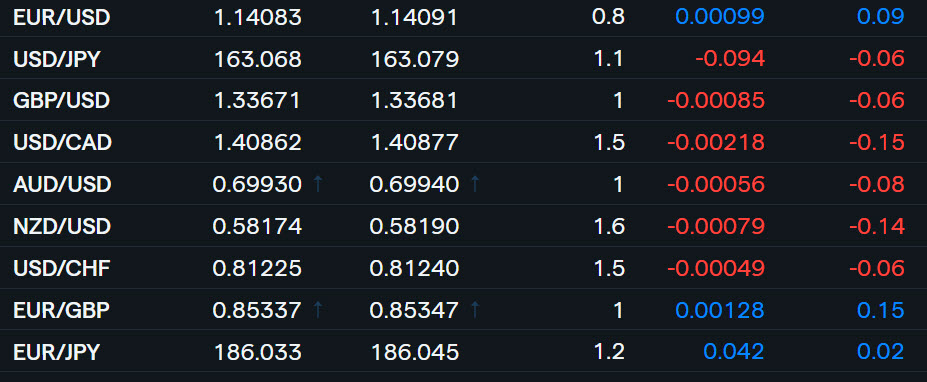
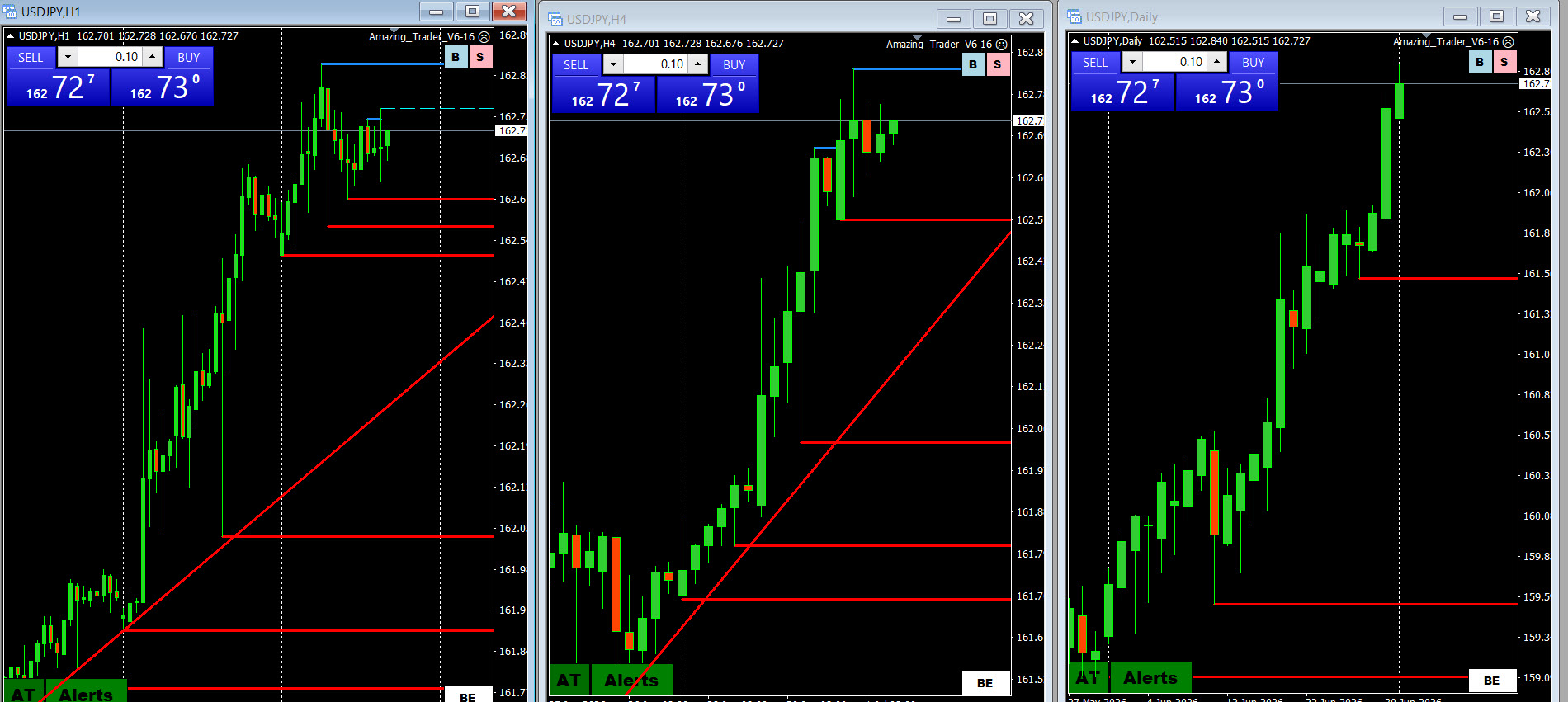
In the forex market, currencies are always traded in pairs, such as EURUSD or USDJPY, where the value of one currency is measured against another.
What Is a Commodity?
A commodity is a basic raw material or natural resource that can be bought and sold. Commodities are generally interchangeable regardless of who produces them, making them standardized products traded on exchanges worldwide.
Unlike currencies, commodities have physical or intrinsic value and are used in manufacturing, food production, and energy.
Examples include:
- Crude oil
- Gold
- Silver
- Natural gas
- Wheat
- Coffee
- Copper
- Corn
Commodity prices are primarily driven by supply and demand, weather conditions, geopolitical events, production levels, and global economic activity.
How Currencies and Commodities Are Connected
Although currencies and commodities are different asset classes, they often influence one another.
Many commodities are priced globally in U.S. dollars. As a result, movements in the dollar can significantly affect commodity prices.
For example:
- A stronger U.S. dollar often puts downward pressure on commodity prices because they become more expensive for buyers using other currencies.
- A weaker dollar can help boost commodity prices by making them more affordable internationally.
Likewise, countries that export large amounts of commodities often see their currencies move alongside commodity prices.
Examples include:
- The Canadian Dollar (CAD), which is closely linked to oil prices.
- The Australian Dollar (AUD), influenced by iron ore and gold exports.
- The New Zealand Dollar (NZD), affected by dairy and agricultural exports.
For this reason, forex traders frequently monitor commodity markets as part of their overall market analysis.
Currency or Commodity? Common Examples
Oil
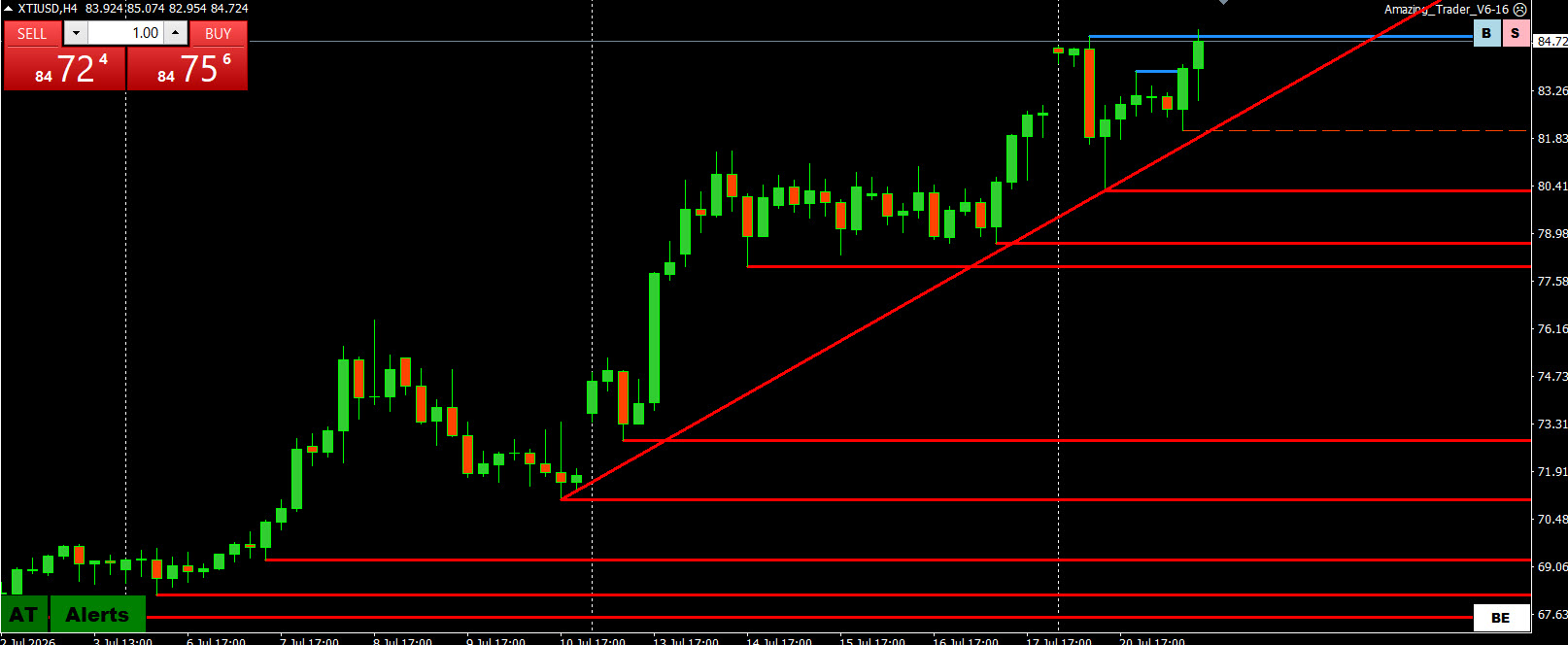
Crude oil is one of the world’s most actively traded commodities.
It is consumed as an energy source and industrial input, giving it intrinsic economic value beyond financial markets. While traders speculate on oil prices, it remains a commodity because it is a physical resource rather than a form of money.
XTIUSD (WTIUSD) daily chart
Gold (XAUUSD)
Gold has served as money throughout history, but today it is primarily classified as a commodity.
Although central banks hold gold as part of their reserves and investors often view it as a safe-haven asset, gold is also widely used in jewelry, electronics, and industrial applications.
XAUUSD daily chart

Currencies vs. Commodities
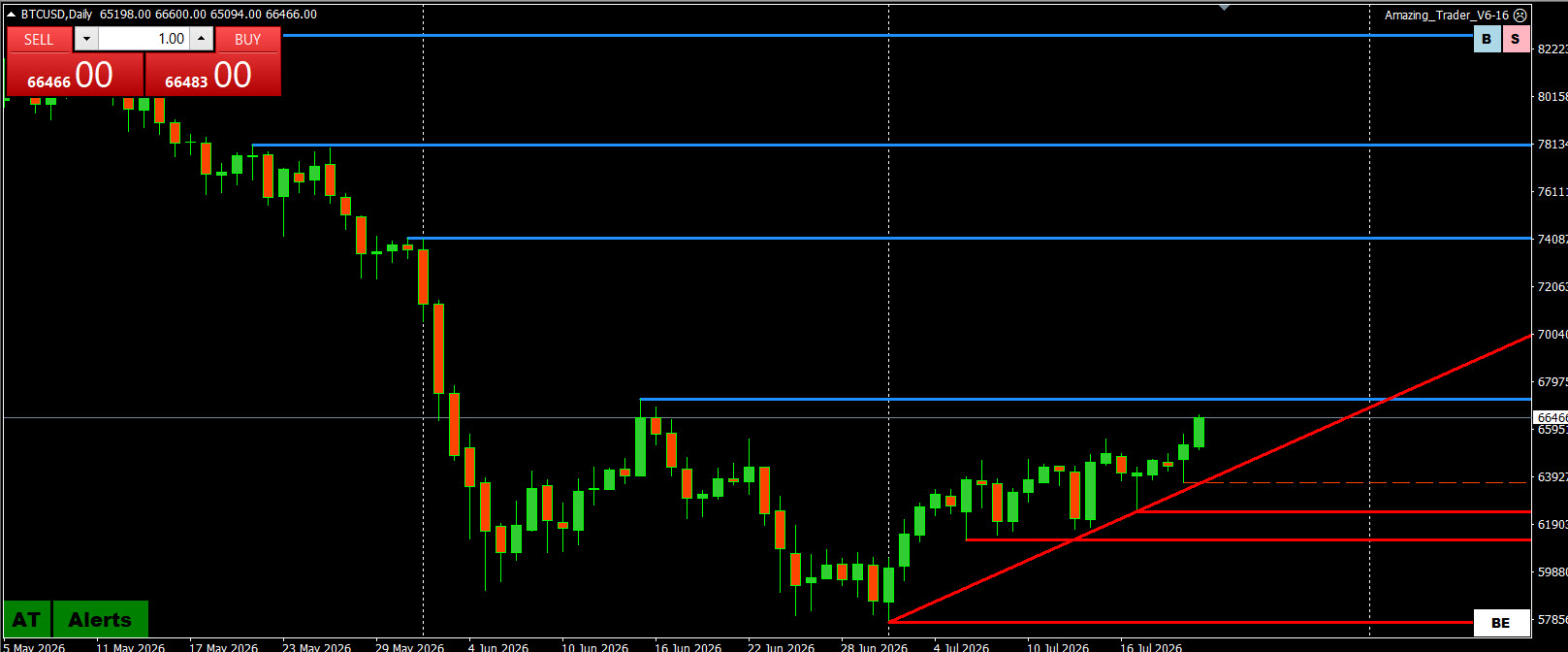
Bitcoin (BTCUSD)
Bitcoin introduces an interesting debate.
It was created as a decentralized digital currency and can be used to purchase goods and services from businesses that accept it. However, many investors buy Bitcoin purely as a speculative investment rather than as everyday money. The volatility in the price of Bitcoin makes it difficult to be widely used to purchase goods or services.
Because Bitcoin is decentralized and not issued by a central bank, regulators classify it differently depending on the country. It is often treated as a digital asset, virtual asset, or commodity for regulatory purposes rather than as legal tender.
BTCUSD daily chart
Euro (EURUSD)
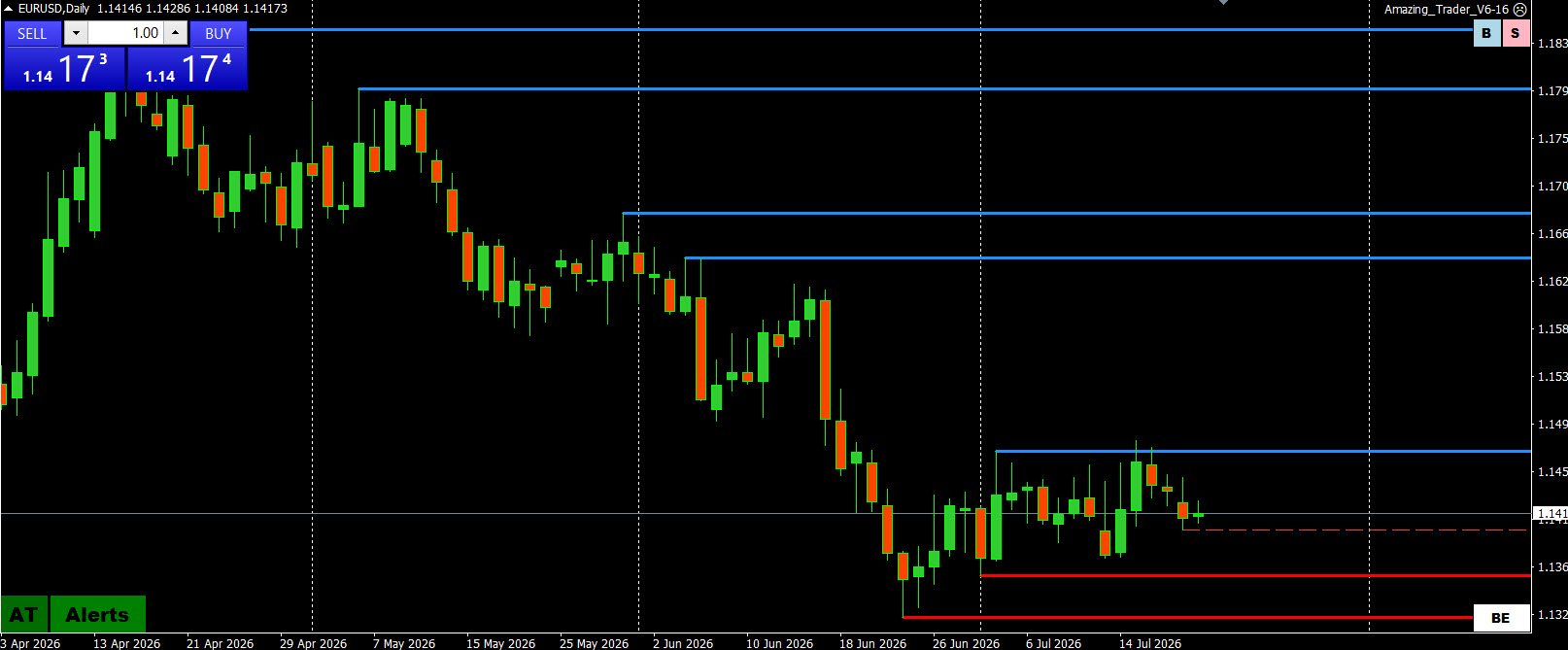
The Euro is unquestionably a currency because it is issued by the European Central Bank and serves as legal tender across much of Europe.
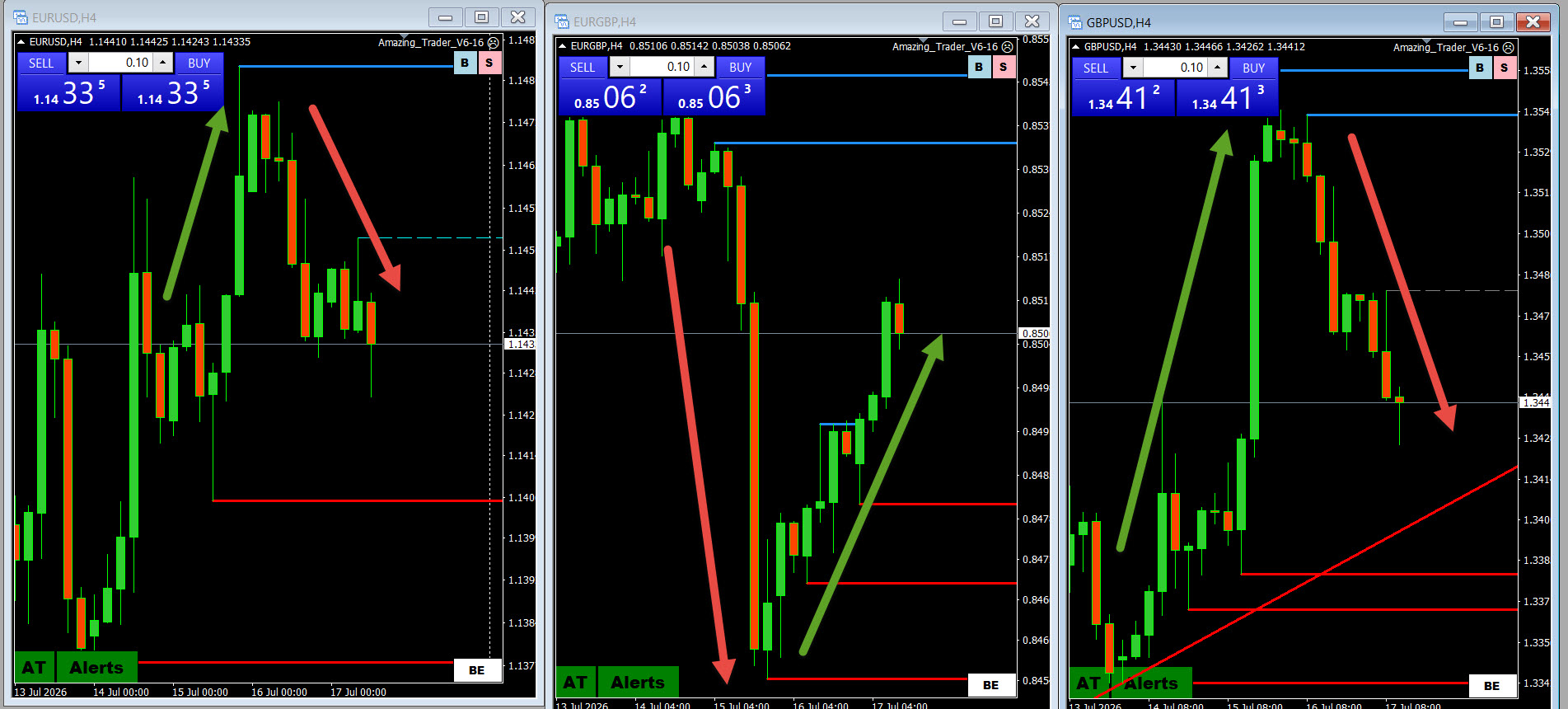
However, when traders buy or sell EURUSD in the foreign exchange market, they are speculating on changes in its value rather than using it to make purchases. Even so, the Euro itself remains a currency that is simply being traded as a financial asset. You can learn more about how the euro moves against other currencies in our guide to cross-currency flows.
EURUSD daily chart
Currencies vs. Commodities: Which Market Is More Volatile?
Both currency and commodity markets experience price fluctuations, but the reasons differ.
Forex markets are influenced by:
- Central bank interest rate decisions
- Inflation reports
- Economic data
- Political developments
- Global capital flows
Commodity markets respond to:
- Supply shortages
- Weather events
- Natural disasters
- Geopolitical events
- Global demand
Some commodities, particularly oil and natural gas, can experience significant volatility following unexpected supply disruptions. In general, commodities tend to be more volatile than major currencies.
Why Traders Monitor Both Markets
Successful traders understand that currencies and commodities rarely move in isolation.
Changes in commodity prices can influence inflation, economic growth, and central bank policy, all of which impact currency values.
For example:
- Rising oil prices may strengthen the Canadian Dollar, and the U.S. dollar in general, against the currencies of oil-importing countries.
- Falling gold prices can affect currencies linked to precious metal exports.
- Sharp increases in food or energy prices may influence inflation expectations and future interest rate decisions.
Recognizing these relationships helps traders develop a broader understanding of market sentiment and potential trading opportunities.
Currencies vs. Commodities
Final Thoughts
To sum up, currencies and commodities are distinct financial assets with different roles in the global economy.
Currencies exist primarily to facilitate trade and commerce as well as cross-border investments, while commodities are physical or natural resources that provide economic value through consumption or production.
Although they are different asset classes, their prices are often interconnected. Commodity trends can influence currency movements, and changes in currencies, particularly the U.S. dollar, can significantly impact commodity prices.
Whether you trade forex, commodities, or both, understanding how these markets interact provides valuable insight into the forces driving global financial markets.
Trading Blog
Daily Tips

About author