
A Complete Guide to the Foreign Exchange Market
Forex Trading
What Is Forex Trading?
Forex, short for Foreign Exchange, is the global marketplace where currencies are bought and sold. With close to $10 trillion traded every day, the forex market is the largest and most liquid financial market in the world.
Unlike stock markets, where investors buy shares of individual companies, forex trading involves exchanging one currency for another. Traders attempt to profit from changes in exchange rates between currency pairs such as the euro and the U.S. dollar, the British pound and the Japanese yen, or the Australian dollar and the U.S. dollar.
Over the past few decades, forex trading has evolved from a market dominated by large banks, governments, multinational corporations, and institutional investors into one that is accessible to individual traders worldwide through online trading platforms.
Understanding Currency Pairs
Every forex trade involves two currencies. These are known as currency pairs.
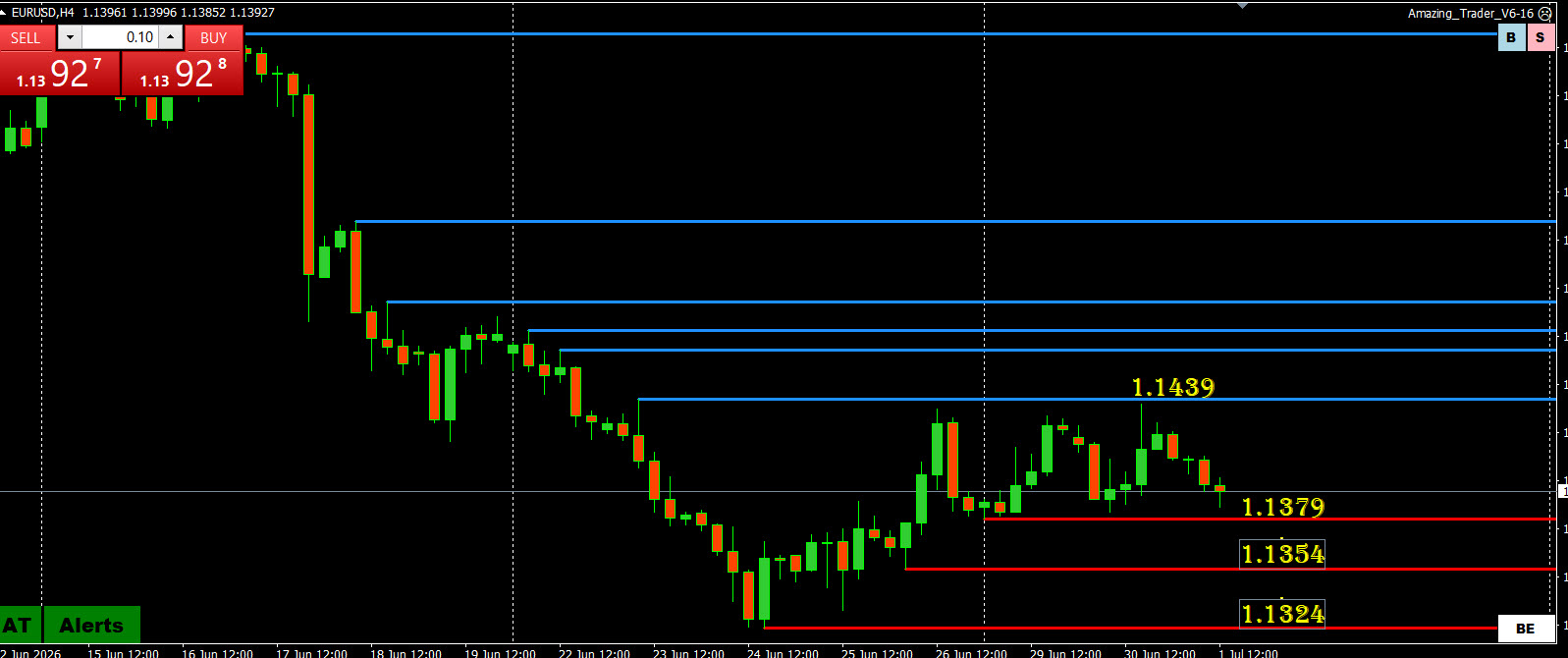
For example, the most actively traded currency pair in the world is EURUSD, which represents the value of the euro relative to the U.S. dollar.
When traders buy EURUSD, they are expecting the euro to strengthen against the U.S. dollar. Conversely, selling EURUSD means the trader believes the dollar will strengthen relative to the euro.
Unlike stocks or commodities, forex traders are not buying an individual asset. They are speculating on the relative value of one currency compared to another.
Major Currency Pairs
The most widely traded currencies include:
- U.S. Dollar (USD)
- Euro (EUR)
- Japanese Yen (JPY)
- British Pound (GBP)
- Swiss Franc (CHF)
- Canadian Dollar (CAD)
- Australian Dollar (AUD)
- New Zealand Dollar (NZD)
These currencies form the majority of trading activity in the global forex market.
Forex Trading
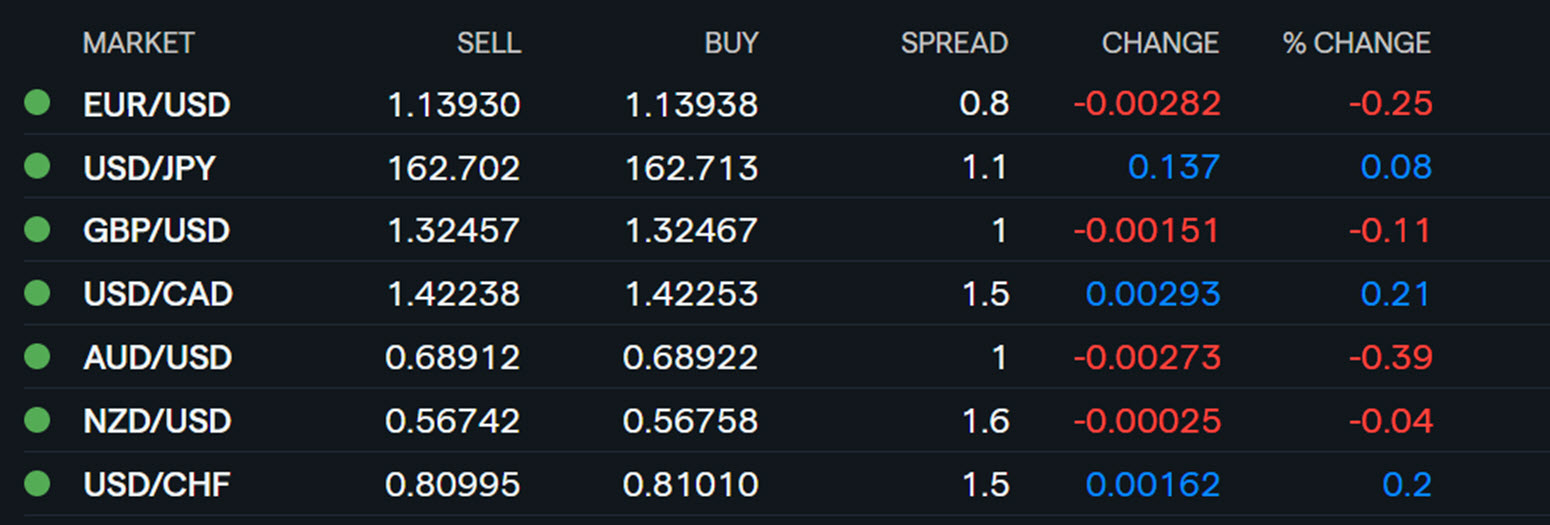
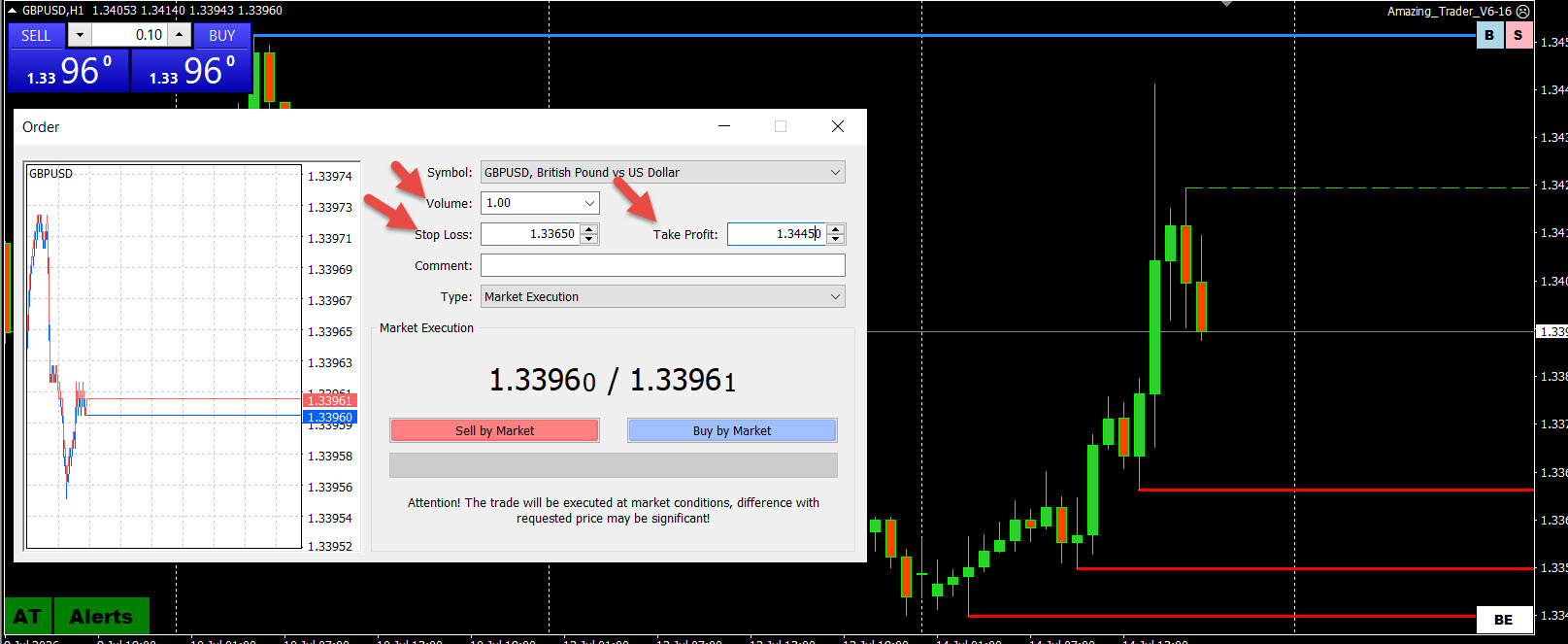
Onlline forex trading platform
How the Forex Market Works
One unique characteristic of forex trading is that there is no centralized exchange or clearinghouse. Instead, transactions take place electronically through a global network of banks, financial institutions, brokers, corporations, and traders.
This decentralized structure creates a highly competitive market that operates virtually around the clock.
While retail forex brokers are regulated in many countries, the market itself remains less centralized than stock or futures exchanges. In the United States, retail forex brokers are overseen by regulatory bodies such as the Commodity Futures Trading Commission (CFTC) and the National Futures Association (NFA).
Why Do People Trade Forex?
Despite the risks involved, forex trading continues to attract traders from around the world. The market offers several advantages that make it appealing to both beginners and experienced investors.
Forex Trading
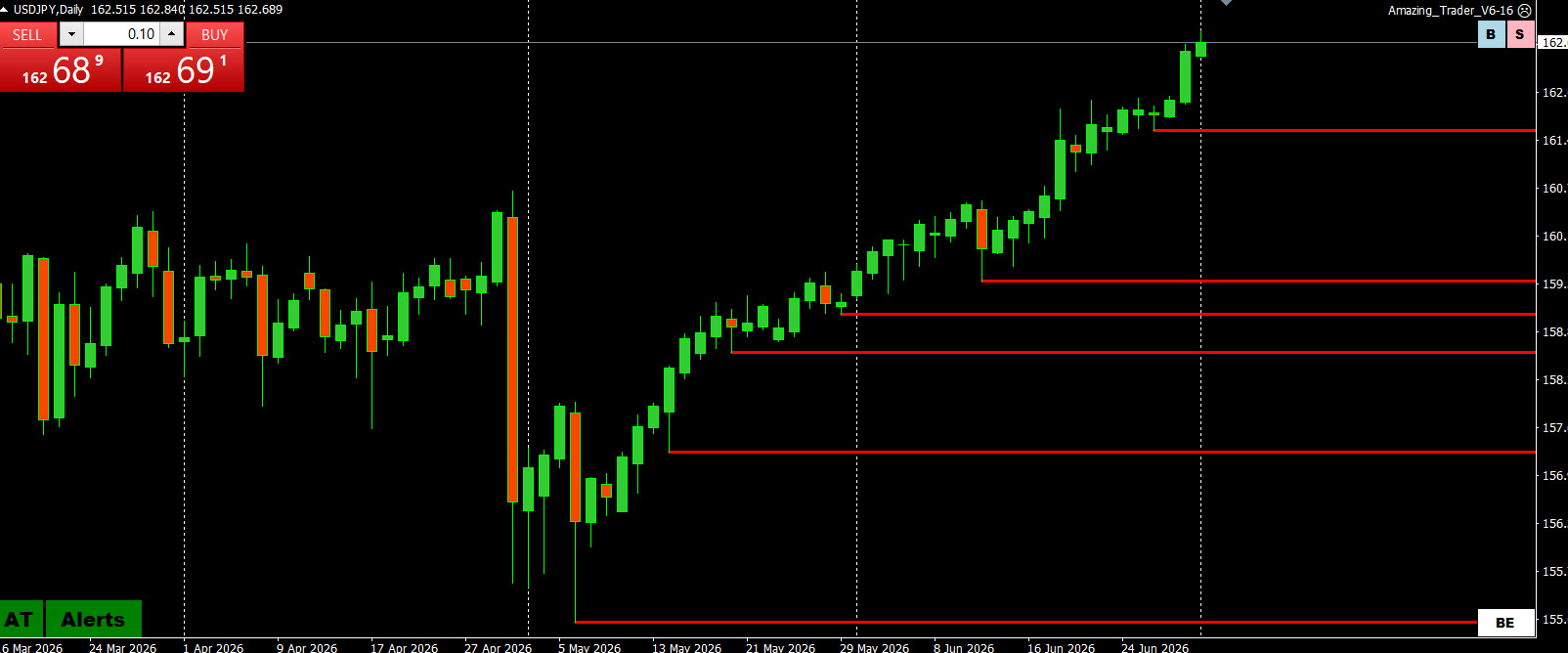
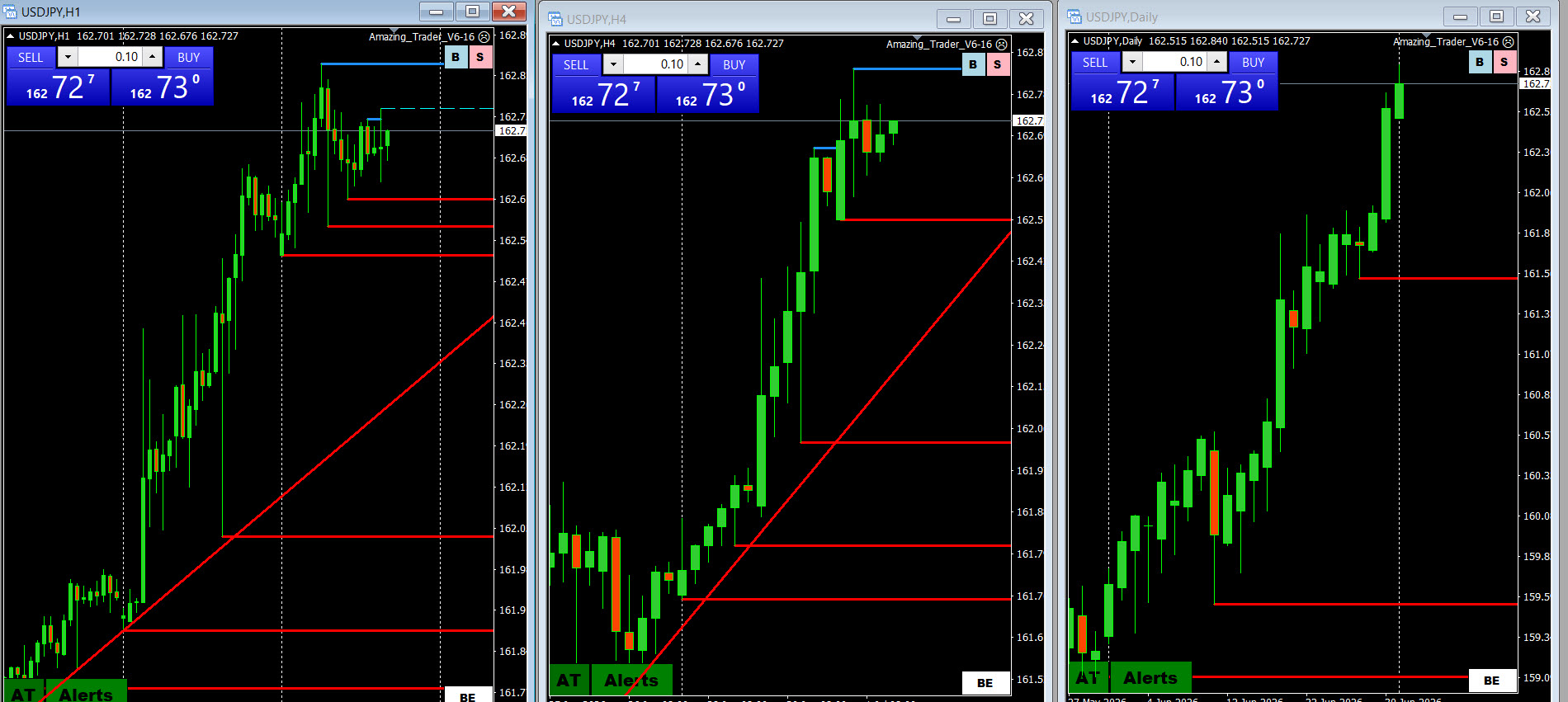
Amazing Trader USDJPY Daily Chart: Trend Up
Exceptional Liquidity
With trillions of dollars changing hands every day, the forex market offers unmatched liquidity. Traders can typically enter and exit positions quickly without significant delays.
High liquidity also helps maintain relatively tight bid-and-ask spreads in major currency pairs.
Low Trading Costs
Many forex brokers offer commission-free trading by incorporating their fees into the bid-and-ask spread. Some brokers also provide raw-spread accounts with separate commission structures for active traders seeking lower transaction costs.
Flexible Position Sizing
Forex brokers typically allow traders to choose from various position sizes, including:
- Standard lots
- Mini lots
- Micro lots
- Nano lots
This flexibility enables traders to manage risk more effectively and gradually increase position sizes as they gain experience.
A 24-Hour Market
The forex market operates continuously from Sunday evening (US time) through Friday afternoon (US time), allowing traders to participate regardless of their time zone.
This flexibility is especially attractive to individuals who trade part-time while maintaining other professional commitments.
Forex Trading – Easy Online Access
Modern trading platforms provide access to live market prices, charting software, technical indicators, news feeds, and risk-management tools from desktop/laptop computers, tablets, and smartphones.
Opening and managing trades can be done from virtually anywhere with an internet connection.
Understanding Leverage in Forex Trading
One of the most attractive. and potentially dangerous, features of forex trading is leverage.
Leverage allows traders to control larger positions with a relatively small amount of capital. Depending on the broker and jurisdiction, leverage ratios can range from 1:1 to as high as 500:1 (or even higher).
For example, with 50:1 leverage, a trader with a $10,000 account could control a position worth $500,000.
While leverage can magnify profits, it can also magnify losses. A relatively small market movement can have a significant impact on a trading account.
For this reason, experienced traders often emphasize risk management over maximizing leverage.
Volatility Creates Opportunity
Currency prices can move rapidly in response to economic reports, central bank decisions, geopolitical developments, and changes in market sentiment.
These price movements create opportunities for traders who correctly anticipate market direction. However, volatility can also generate substantial losses when market expectations prove incorrect.
Successful traders understand that managing risk is just as important as identifying profitable opportunities.
Forex and Stock Markets: What’s the Difference?
Although forex and stock markets often influence each other, they are not identical.
Currencies can move independently of stock prices, creating opportunities for diversification. During periods of market uncertainty, investors often shift capital between currencies and other asset classes based on changing perceptions of risk.
Because of this relationship, many investors use forex trading as a complement to their broader investment portfolio.
Forex Trading
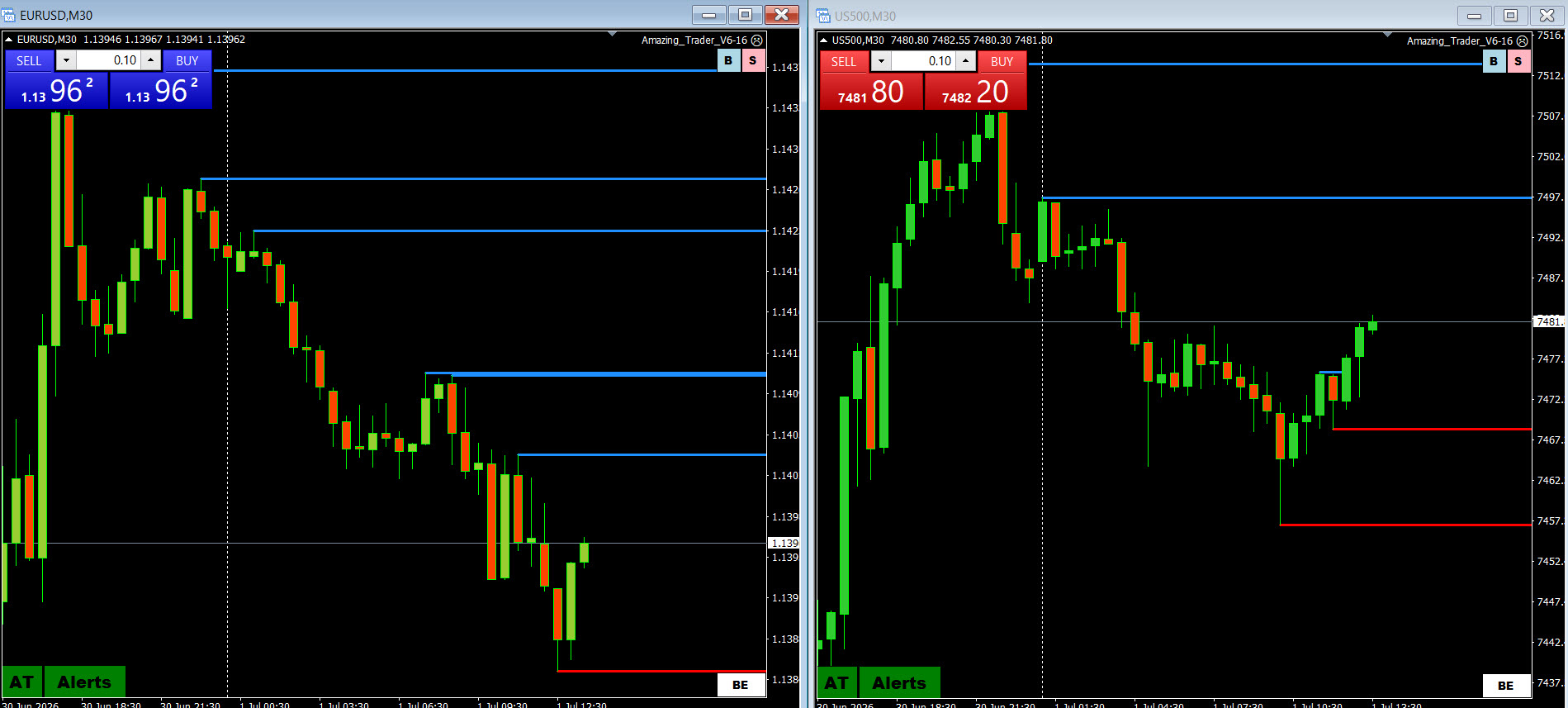
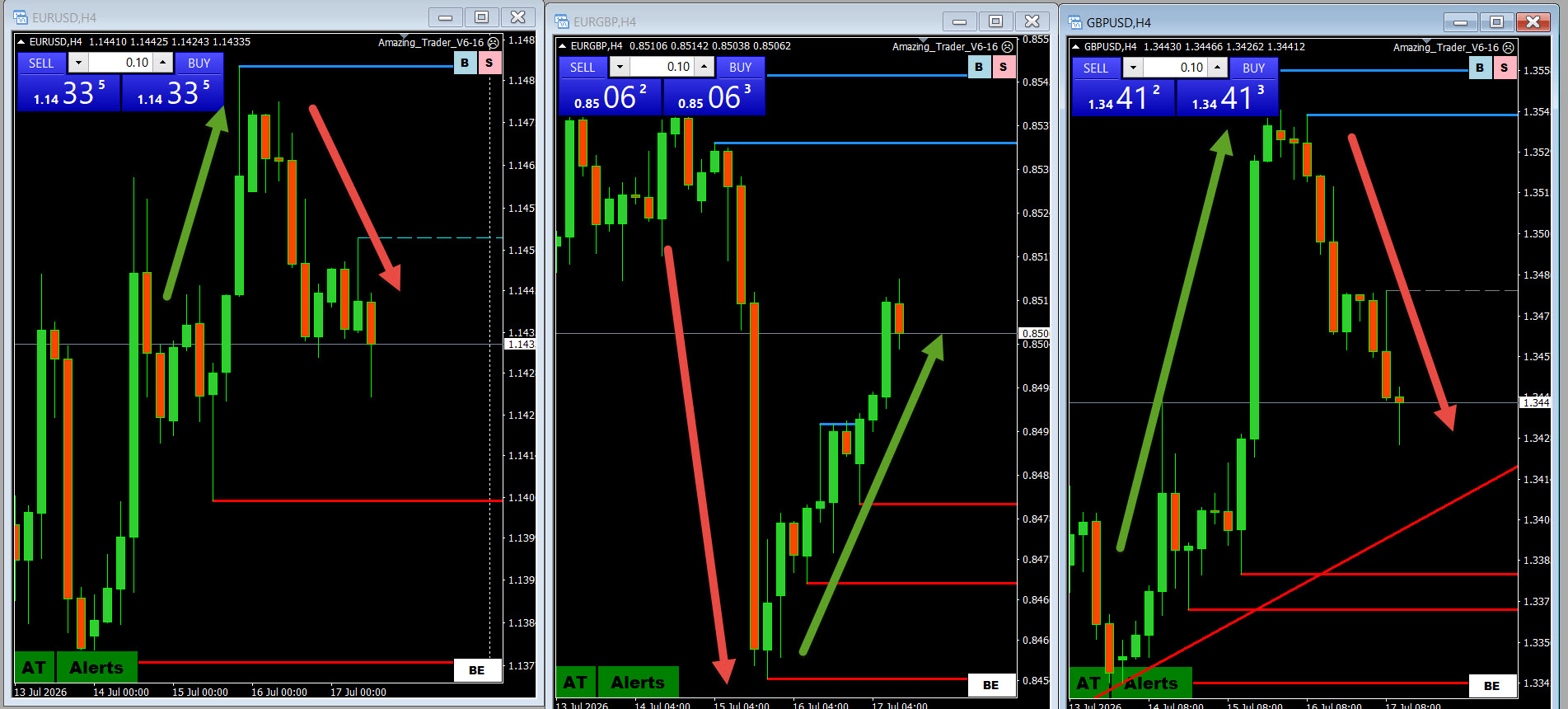
Amazing Trader 30 Minute Chart: EURUSD and US500 (SP500)
EURUSD US600
The Advantages of a Global Price Feed
Unlike some financial markets where pricing can vary significantly between exchanges, the spot forex market operates with a largely uniform global price feed.
As a result, traders around the world generally see similar chart patterns, support and resistance levels, and technical indicators. This transparency helps create a common framework for market analysis.
Is Forex Trading Right for You?
Forex trading offers unique opportunities, including high liquidity, around-the-clock access, flexible position sizing, and the ability to profit from both rising and falling markets.
However, these benefits come with risks. The same leverage that can generate significant returns can also lead to substantial losses if not managed properly.
Before trading with real money, new traders should invest time in education, practice with a demo account, and develop a sound risk-management strategy.
To sum up, the forex market is the largest financial market in the world and continues to grow as technology makes trading more accessible. Whether your goal is short-term speculation, portfolio diversification, or learning a new financial skill, understanding how the foreign exchange market works is the first step toward becoming a more informed trader.
Success in forex trading is not determined by finding a secret strategy. It comes from education, discipline, risk management, and continuous learning. Those who approach the market with realistic expectations and a structured plan give themselves the best opportunity for long-term success.
Blog
Forex Forum
Test Plugin
About author

Add comment