
Most Important Skill a Trader Can Develop
Skills to Learn to Make Money
Every trader dreams of finding the perfect strategy that produces consistent winning trades. While a profitable strategy is important, it isn’t what separates long-term winners from those who eventually blow up their accounts.
The real difference is risk management.
Markets are unpredictable. No matter how experienced you are or how strong your analysis appears, every trade carries uncertainty. Successful traders accept this reality and focus on controlling risk rather than trying to eliminate it.
If you can protect your trading capital during losing periods, you’ll always have the opportunity to profit when conditions improve. If you fail to manage risk, even a handful of poor trades can undo months of hard work.
Simply put, capital preservation comes before capital growth.
Skills to Learn to Make Money
What Does Risk Management Mean for Trading?
Risk management is the process of identifying, measuring, and controlling the amount of money you are willing to risk on every trade.
Rather than concentrating solely on potential profits, effective traders first ask a different question:
“How much can I afford to lose if this trade doesn’t work?”
Answering that question before entering a position allows traders to make objective decisions instead of emotional ones.
A sound risk management plan typically includes:
- Position sizing
- Stop-loss placement
- Maximum account risk
- Profit objectives
- Risk-to-reward ratios
- Portfolio diversification
- Managing leverage
- Preparing for market volatility
Together, these elements create a framework that helps traders remain disciplined regardless of market conditions.
Why Risk Management Matters
Even the best traders experience losing trades.
The difference is that professional traders expect losses and prepare for them.
Without a structured approach to risk, a single emotional decision can have serious consequences. Overleveraging, refusing to accept losses, or adding to losing positions can quickly damage or even destroy a trading account.
Good risk management keeps losses manageable so they remain part of doing business rather than becoming career-ending mistakes.
Think of every trade as one of hundreds you will make over your trading career.
The objective isn’t to win every trade.
It’s to ensure no single trade has the power to eliminate you from the market.
Common Risk Management Mistakes
Many trading losses occur not because of poor market analysis, but because traders fail to manage risk effectively.
Here are some of the most common mistakes.
Trading Without a Plan
Entering the market without a written trading plan is similar to starting a journey without knowing your destination.
A trading plan should define:
- Entry criteria
- Exit strategy
- Position size
- Risk per trade
- Profit targets
- Market conditions required before entering
Without clear rules, emotions often replace discipline.
Ignoring Position Size
Many traders focus exclusively on where to enter a trade while paying little attention to how much they are trading.
Even an excellent setup can become dangerous if the position size is too large.
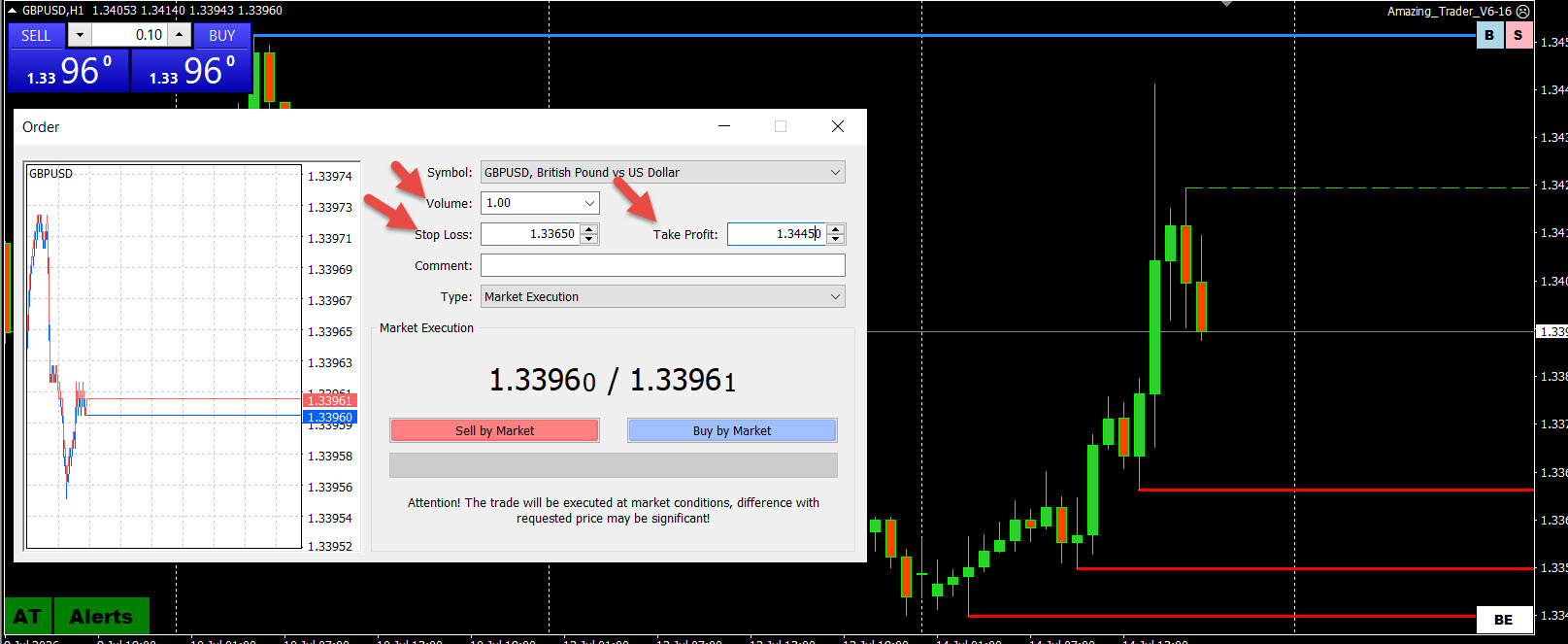
Be aware of platforms that use last trade as the size used for the next (market execution) trade.
Professional traders adjust position sizes according to account size and acceptable risk, not confidence in the trade.
Trading Without a Stop Loss
A stop-loss order is one of the simplest and most effective risk management tools available.
It automatically exits a losing position once a predetermined price is reached, preventing small losses from becoming much larger ones.
While stop losses are not perfect, particularly during periods of extreme volatility, they remain an essential component of disciplined trading.
Overtrading
Financial markets provide opportunities every day.
That doesn’t mean every market movement deserves a trade.
Many traders become addicted to action. They open positions simply because the market is moving rather than because a high-quality setup exists.
Patience is often one of the most profitable trading decisions.
Overleveraging
Leverage increases both profits and losses.
Although it allows traders to control larger positions with less capital, excessive leverage dramatically increases account risk.
One unexpected news event or sharp market move can wipe out an overleveraged account within minutes.
Professional traders understand that survival is more important than maximizing every opportunity.
Failing to Diversify Risk
Concentrating too much capital in one position or several highly correlated positions can expose an account to unnecessary risk.
Diversifying across markets, sectors, or trading opportunities helps reduce the impact of any single losing trade.
Practical Risk Management Strategies
Successful traders develop routines that help them control risk before entering every position.
Some of the most effective strategies include:
- Risk only a small percentage of your account on each trade.
- Always know where you will exit if the trade moves against you.
- Maintain favorable risk-to-reward ratios.
- Reduce position size during periods of high volatility.
- Avoid emotional revenge trading after losses.
- Review every trade to identify recurring mistakes.
- Stay informed about major economic releases and market-moving news.
These habits may seem simple, but consistently applying them can significantly improve long-term performance.
Skills to Learn to Make Money
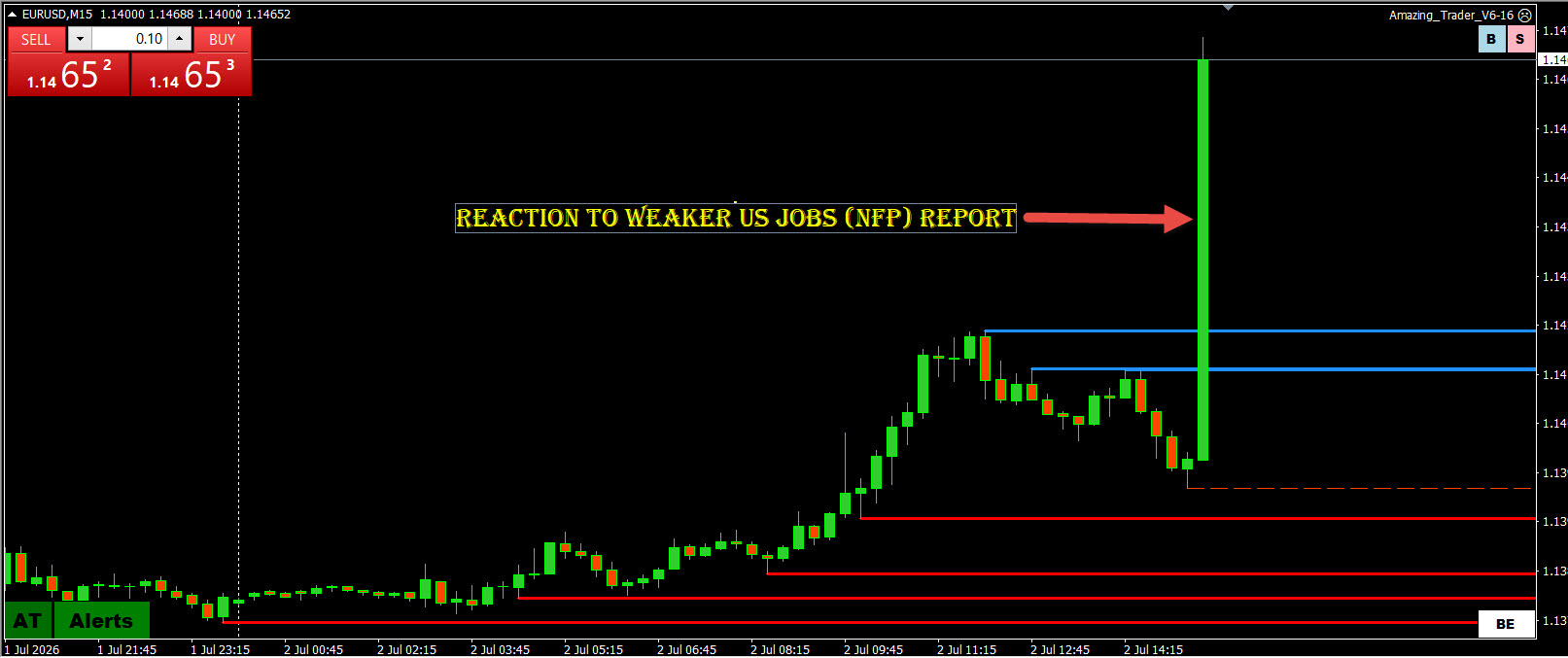
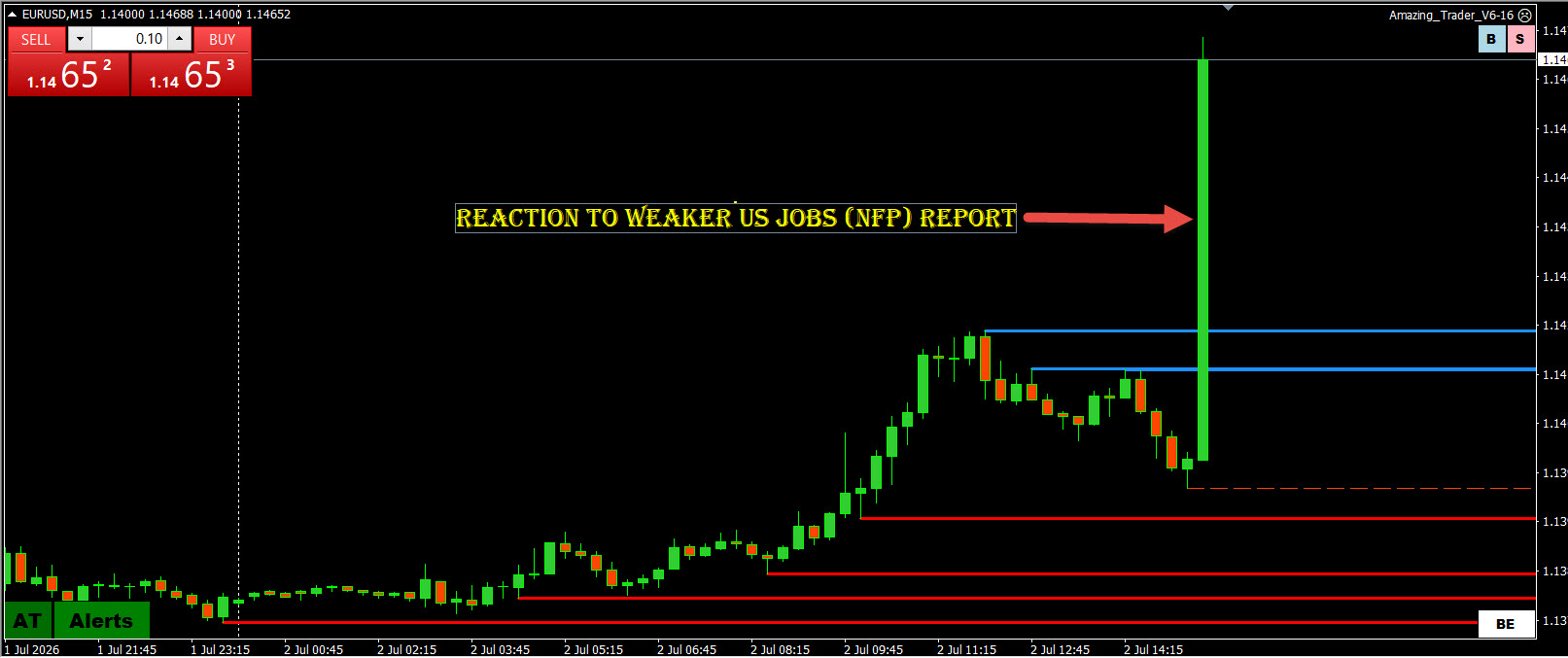
EURUSD 5 Minute Chart (July 2, 2026
Example of risk in trading ahead of an economic event. Note reaction after NFP came in below estimates
\
Skills to Learn to Make Money
Build Risk Management Into Your Trading Plan
Risk management shouldn’t be something you think about after placing a trade.
It should be part of every trading decision.
A comprehensive trading plan should answer questions such as:
- How much of my account am I willing to risk?
- Where will I place my stop loss?
- What profit target justifies the risk?
- Does this trade fit my strategy?
- Are there upcoming economic events that could increase volatility?
- Am I trading because of opportunity or emotion?
Having predefined answers removes much of the emotion that causes traders to make costly mistakes.
Trading Is About Staying in the Game
Many new traders believe success comes from finding more winning trades.
Experienced traders know the real objective is different.
The goal is to remain financially and emotionally prepared to trade tomorrow, next week, and next year.
Every successful trader experiences losses.
What separates professionals from everyone else is their ability to keep those losses small enough that they never threaten their long-term success.
The bottom line is that risk management is not the most exciting aspect of trading, but it is undoubtedly one of the most important.
A disciplined approach to managing risk helps traders:
- Protect trading capital
- Reduce emotional decision-making
- Survive periods of market volatility
- Improve long-term consistency
- Build confidence through disciplined execution
No trading strategy wins 100% of the time.
But a trader who combines a solid strategy with effective risk management dramatically improves their chances of achieving consistent results over time.
In the end, successful trading isn’t measured by how much you make on your best trade—it’s measured by how well you protect your capital when the market doesn’t cooperate.
Skills to Learn to Make Money
Daily Tips
Forex Forum
Test Plugin
About author

Add comment