
Getting Started in Forex Trading
Learn Forex Trading
If you are new to forex trading, welcome to one of the world’s largest and most liquid financial markets. Perhaps you have already experimented with a demo account or traded other markets such as stocks, futures, or commodities. Regardless of your background, understanding the fundamentals of forex trading is essential before risking real capital.
This article is not intended to be a comprehensive forex course. Instead, it provides a practical introduction to the forex market and highlights the key principles that every new trader should understand before getting started.
Learn Forex Trading Basics Before Trading Live
The fastest way to become familiar with forex trading is to combine education with hands-on practice. Reading about trading concepts is important, but applying those concepts in a demo account helps bridge the gap between theory and execution.
A demo account allows traders to become comfortable with trading platforms, order execution, chart analysis, and market behavior without risking real money. While demo trading is a valuable learning tool, it cannot fully replicate the emotional challenges that come with trading real funds.
Eventually, successful traders must learn to manage both market risk and their own emotions under real market conditions.
Why Every Trader Needs a Trading Plan
One of the biggest mistakes new forex traders make is entering the market without a structured trading plan. Many beginners rely on intuition, tips from others, or random trade ideas. Unfortunately, this approach rarely leads to long-term success.
A trading plan should outline:
- Entry and exit criteria
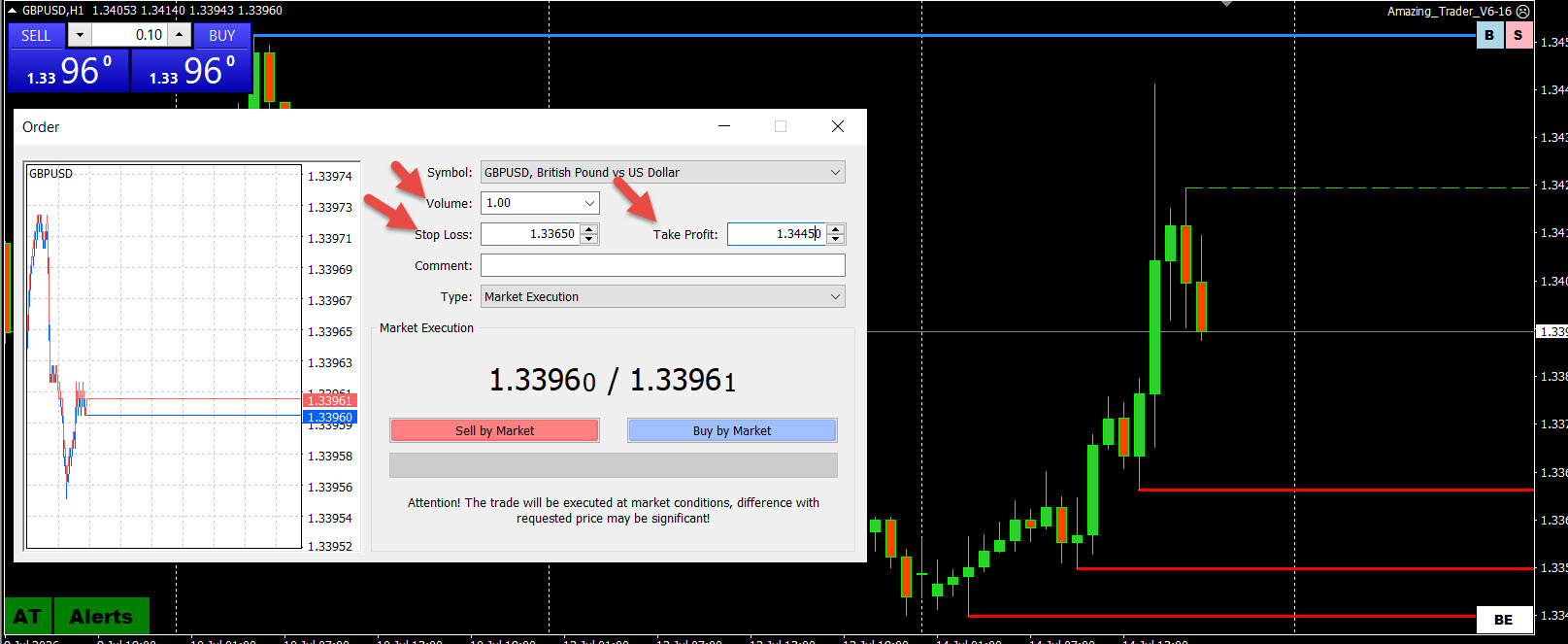
- Risk management rules
- Position sizing guidelines
- Trading objectives
- Performance evaluation methods
Without a plan, traders often make emotional decisions that can quickly lead to unnecessary losses.
This is especially important in forex trading because leverage can magnify both profits and losses. Small mistakes that might be manageable in other markets can become costly when trading leveraged currency positions.
Keep a Trading Journal
Professional traders understand the value of documentation and self-evaluation. One of the most effective learning tools available to traders is a trading journal.
Whether you trade long-term trends or short-term market movements, maintaining records of your trades can dramatically improve your decision-making process.
A trading journal should include:
- Charts showing trade setups
- Reasons for entering trades
- Trade management decisions
- Exit strategies
- Final results
- Lessons learned
Reviewing past trades helps identify strengths, weaknesses, and recurring mistakes. Over time, these insights become invaluable in refining your trading approach.
Forex Trading Is Easier to Learn Than It Is to Master
The mechanics of forex trading are relatively straightforward. Most people can learn how currency pairs work, how orders are placed, and how charts are analyzed within a few weeks.
The real challenge is not learning the mechanics—it’s developing the discipline, patience, and consistency required to trade successfully over the long term.
Success in forex trading depends on:
- Risk management
- Emotional control
- Consistent execution
- Adaptability
- Continuous learning
These skills take time to develop and cannot be mastered overnight.
Learn Forex Trading From Experienced Traders
While every trader ultimately develops a unique approach, studying successful traders can significantly shorten the learning curve.
What works for one trader may not work for another, but observing how experienced traders manage risk, approach the market, and handle adversity can provide valuable lessons.
If possible, seek guidance from a mentor who has demonstrated long-term success in the markets. A good mentor can help new traders avoid many of the common mistakes that cause beginners to lose money and abandon trading altogether.
In many cases, survival is the first step toward success. Traders who remain in the game long enough to gain experience give themselves the opportunity to improve and eventually achieve consistent results.
Focus on Risk Management, Not Complex Systems
Many beginners spend countless hours searching for the perfect trading strategy. The popularity of trading books, indicators, and systems reflects this common obsession.
However, successful trading is rarely about finding a magical indicator or secret formula.
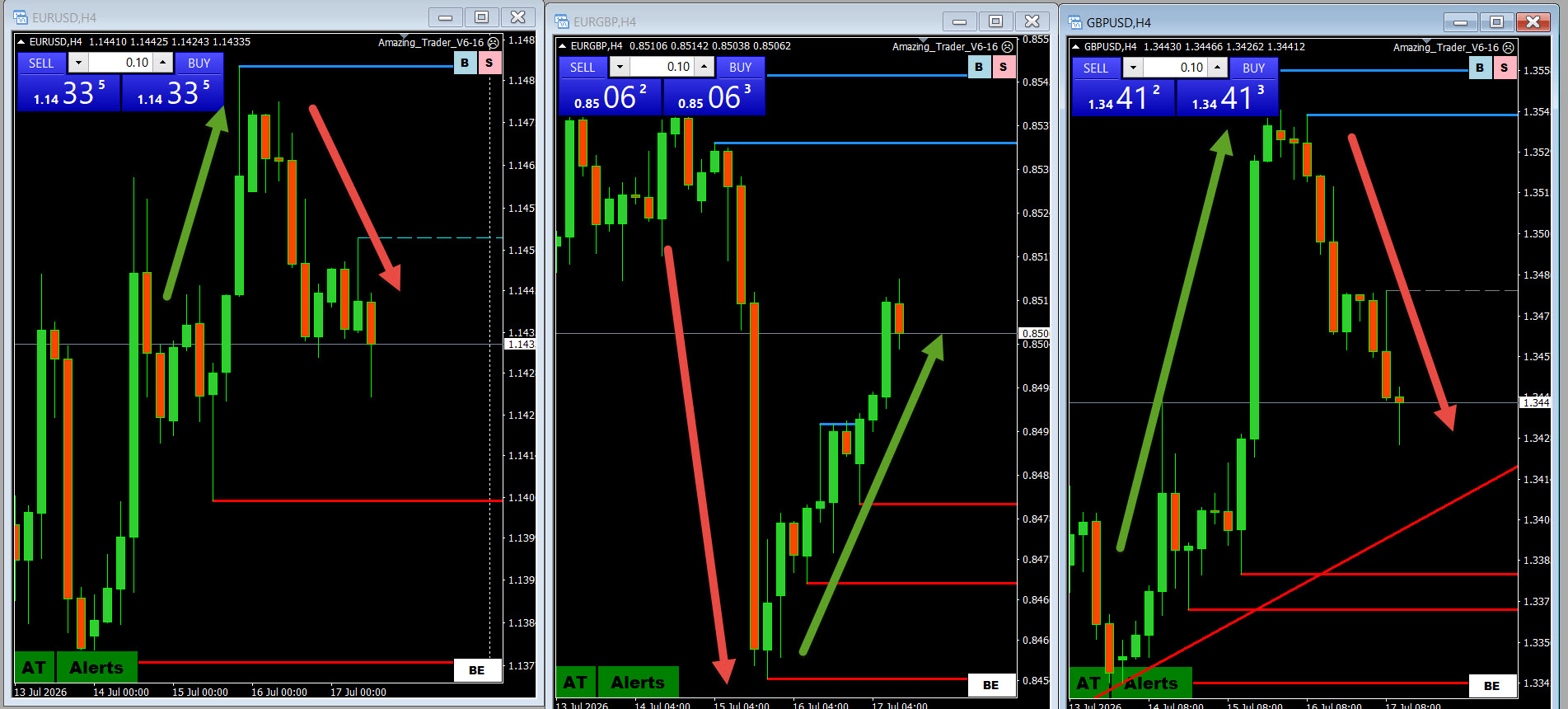
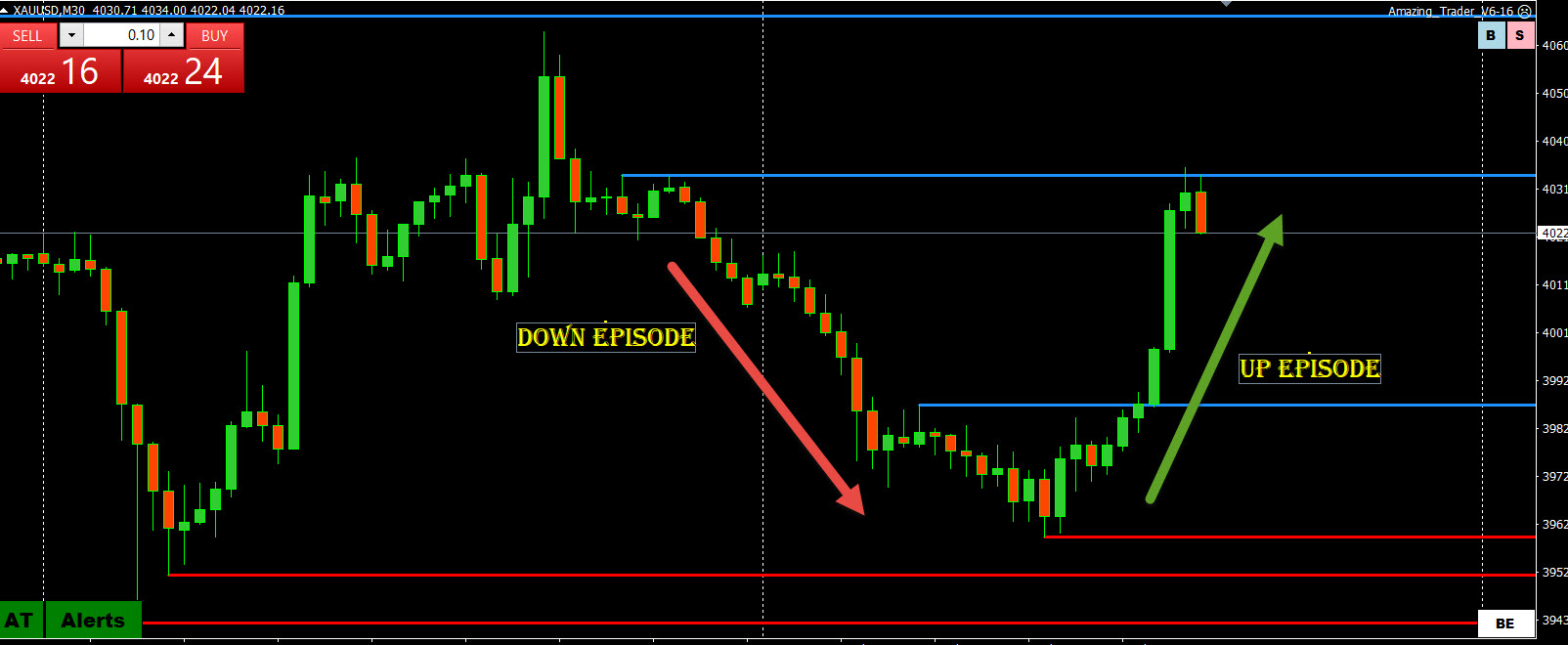
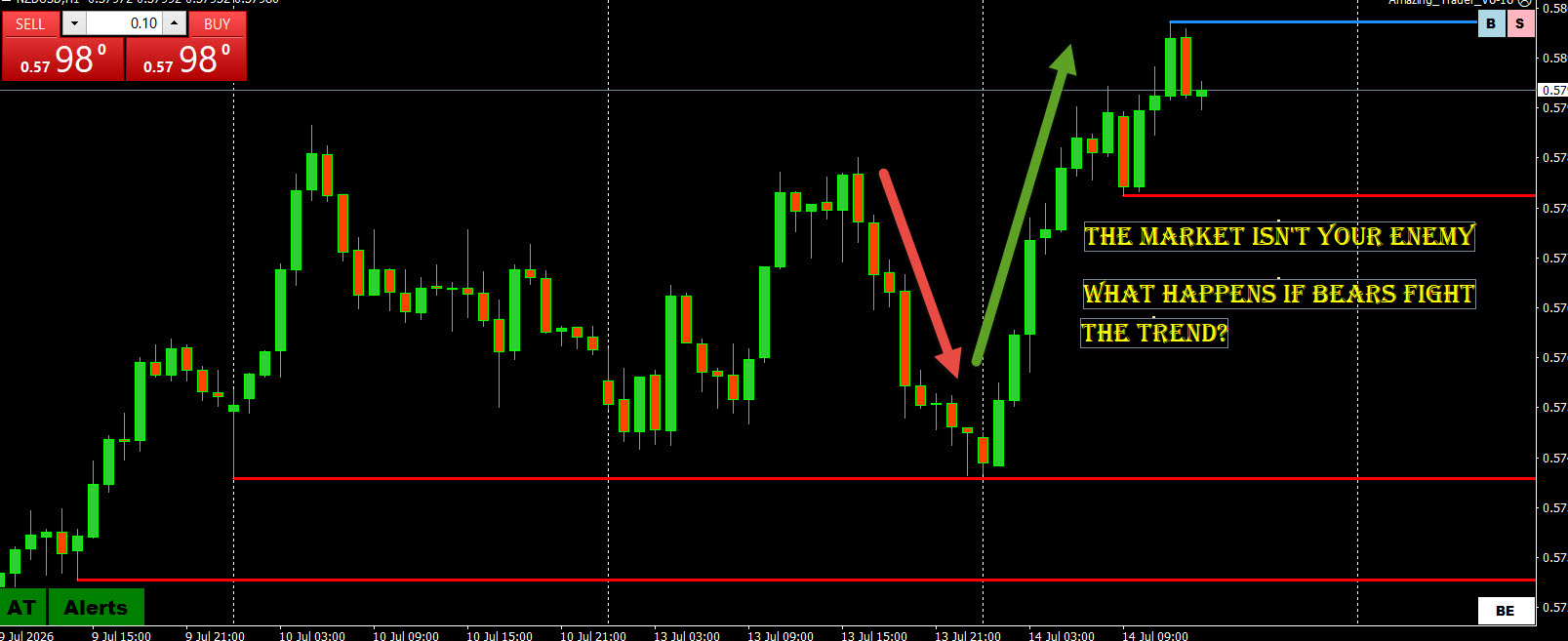
A simple trend-following approach is often sufficient for beginners. Markets generally move higher, lower, or sideways. Learning to identify these movements and manage risk effectively is often more important than developing an overly complicated trading system.
Rather than constantly searching for new indicators, traders should spend more time improving:
- Risk management skills
- Position sizing techniques
- Emotional discipline
- Market awareness
- Trade execution
Understanding the rhythm and behavior of the market often contributes more to long-term success than any individual trading strategy.
Learn Forex Trading
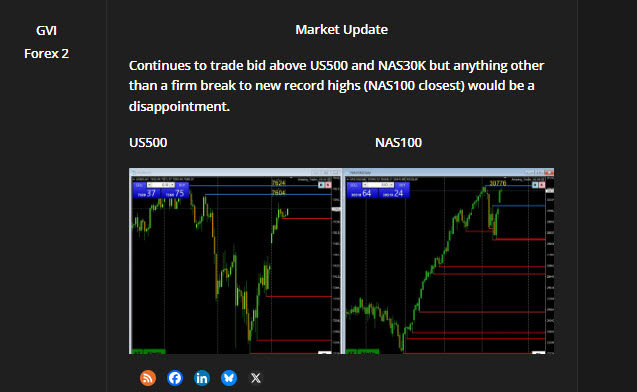
Posted on the Global-View.com Forex Forum
Treat Forex Trading Like a Professional Career
Many aspiring traders underestimate the level of commitment required to become consistently profitable.
Few people would expect to become a doctor, lawyer, engineer, or financial professional without years of education and practical experience. Yet many new traders enter the forex market believing they can achieve success after reading a few articles or watching a handful of videos.
Professional trading should be viewed as a serious career path that requires:
- Ongoing education
- Structured learning
- Practical experience
- Mentorship
- Continuous self-improvement
The forex market is highly competitive and populated by experienced institutions, banks, hedge funds, and professional traders. Approaching it casually often leads to disappointment.
Trading Forex Is a Journey of Continuous Learning
Like any profession, trading involves a progression of knowledge and experience. Learning the basics is only the beginning.
Doctors spend years studying before treating patients. Specialists spend additional years refining their expertise. Trading follows a similar path. While the learning curve may not be as formal, developing expertise requires dedication, practice, and continuous refinement.
The traders who succeed are typically those who embrace the learning process, remain humble, and consistently work to improve their skills.
To sum up, forex trading offers tremendous opportunities, but success rarely comes quickly or easily. New traders who invest time in education, develop a structured trading plan, practice disciplined risk management, and maintain realistic expectations give themselves a significant advantage.
The goal should not be to get rich quickly. The goal should be to develop the knowledge, discipline, and experience necessary to become a consistently profitable trader over time.
In forex trading, longevity is often the first sign of success. The traders who survive, learn, and adapt are the ones most likely to thrive.
Trading Tips
Forex Forum
Test Plugin
About author

Add comment