
Risk Management
Investing Tips
Successful trading isn’t about finding the perfect strategy or predicting every market move. It’s about protecting your trading capital so you’re still in the game when the next opportunity comes along.
Every professional trader understands one fundamental truth,
You can have an outstanding trading strategy, identify excellent market opportunities, and correctly analyze price direction. However, without proper risk management, one or two poorly managed trades can erase weeks or even months of profits.
The good news is that risk management is a skill every trader can learn. Whether you trade stocks, forex, futures, commodities, cryptocurrencies, or options, the same principles apply. Successful traders don’t eliminate risk, they manage it.
The following ten rules form the foundation of effective risk management and can help you become a more disciplined and consistent trader.
Rule #1: Never Trade Money You Can’t Afford to Lose
The first rule of risk management begins before you place your first trade.
Only trade with money that you can genuinely afford to lose.
This doesn’t mean you expect to lose it. It means your lifestyle, financial obligations, and emotional well-being won’t be affected if a series of losing trades occurs.
Trading with rent money, mortgage payments, or emergency savings creates enormous psychological pressure. Fear begins influencing every decision. You hesitate to enter quality trades, close winning positions too early, and refuse to accept losses when they’re small.
Professional traders view their trading account as risk capital. Once you accept that every trade carries uncertainty, you can focus on executing your trading plan instead of worrying about the outcome of every position.
Rule #2: Define Your Risk Before Entering Every Trade
One of the biggest mistakes traders make is deciding how much they’re willing to lose after the trade has already been placed.
By then, emotions are involved.
Before entering any position, answer three questions:
- Where will I enter?
- Where will I exit if I’m wrong?
- Where will I take profits if I’m right?
Knowing the answers before clicking the Buy or Sell button removes emotional decision-making and creates consistency.
If you don’t know where your stop belongs, you probably shouldn’t be taking the trade.
Investing Tips
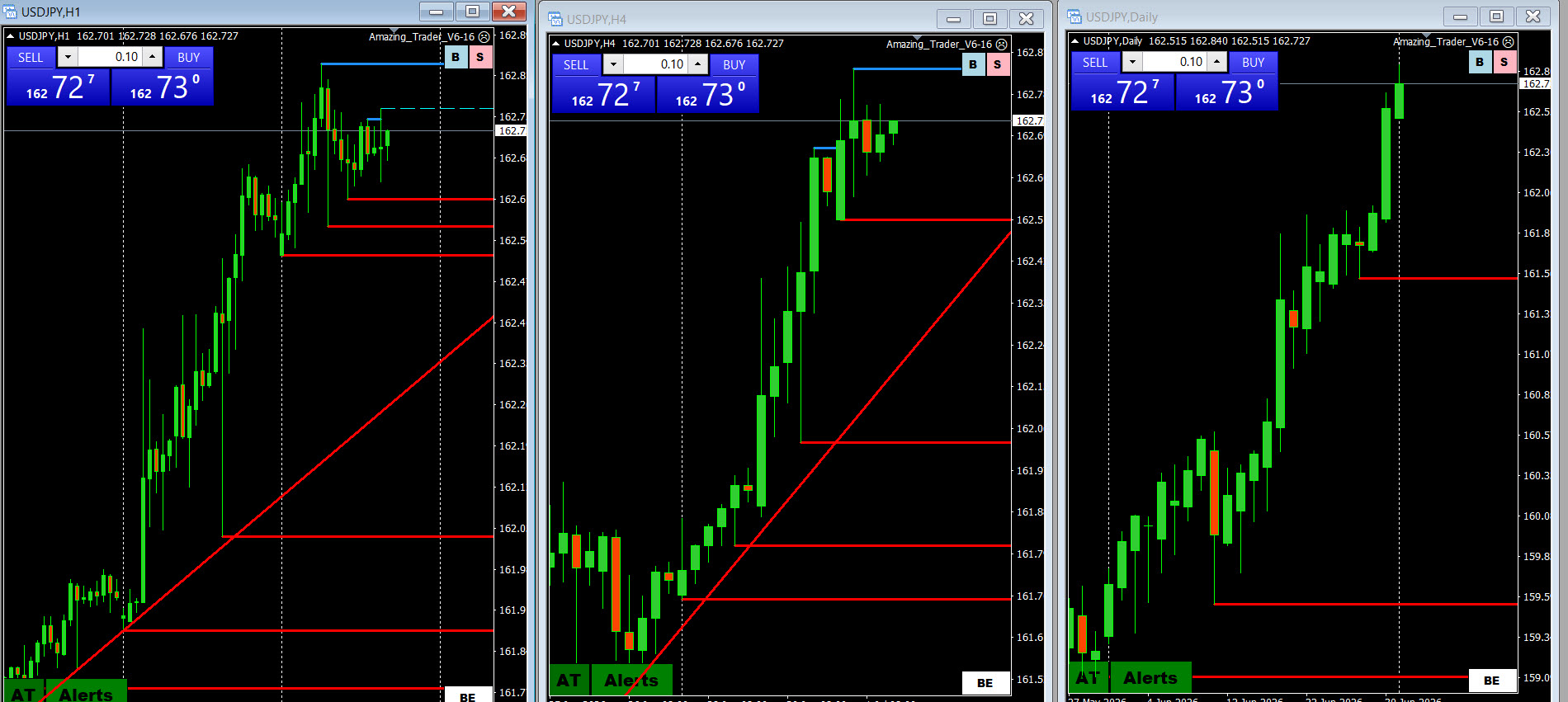
Illustration: GBPUSD buy order ticket
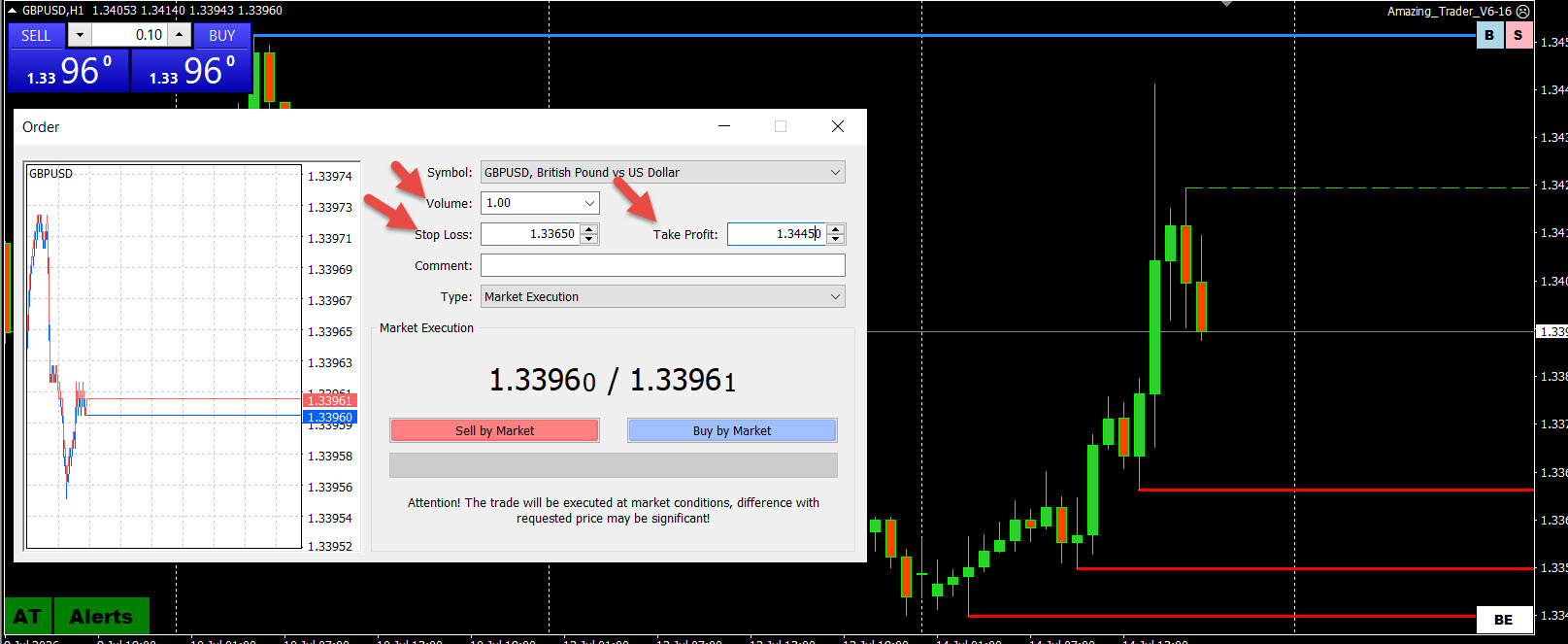
Rule #3: Every Trade Needs a Stop-Loss
A stop-loss is more than just an order. It’s your insurance policy.
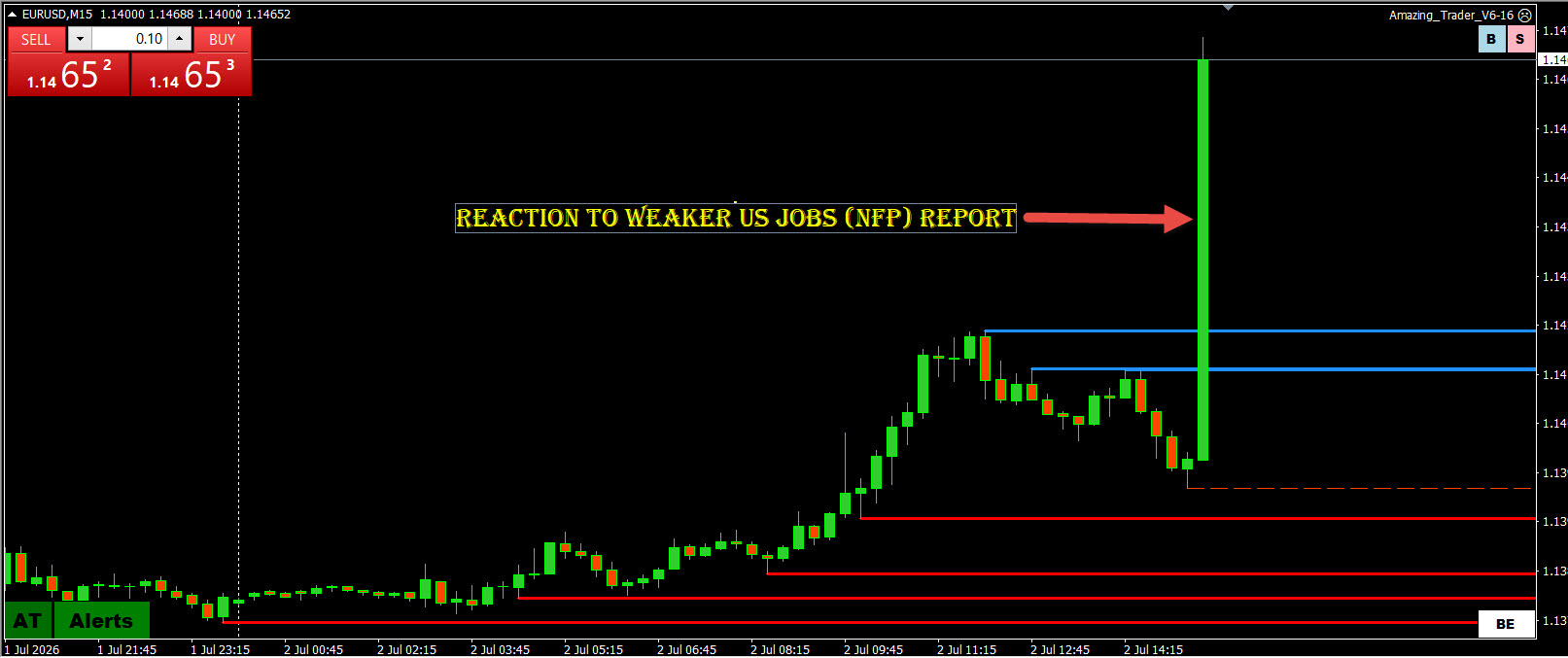
Unexpected events happen every day. Economic reports surprise the market. Central banks make unexpected announcements. Earnings disappoint. Geopolitical headlines appear without warning.
Without a stop-loss, a manageable loss can quickly become catastrophic.
The mistake many traders make is moving or removing their stop once the market moves against them.
Investing Tips
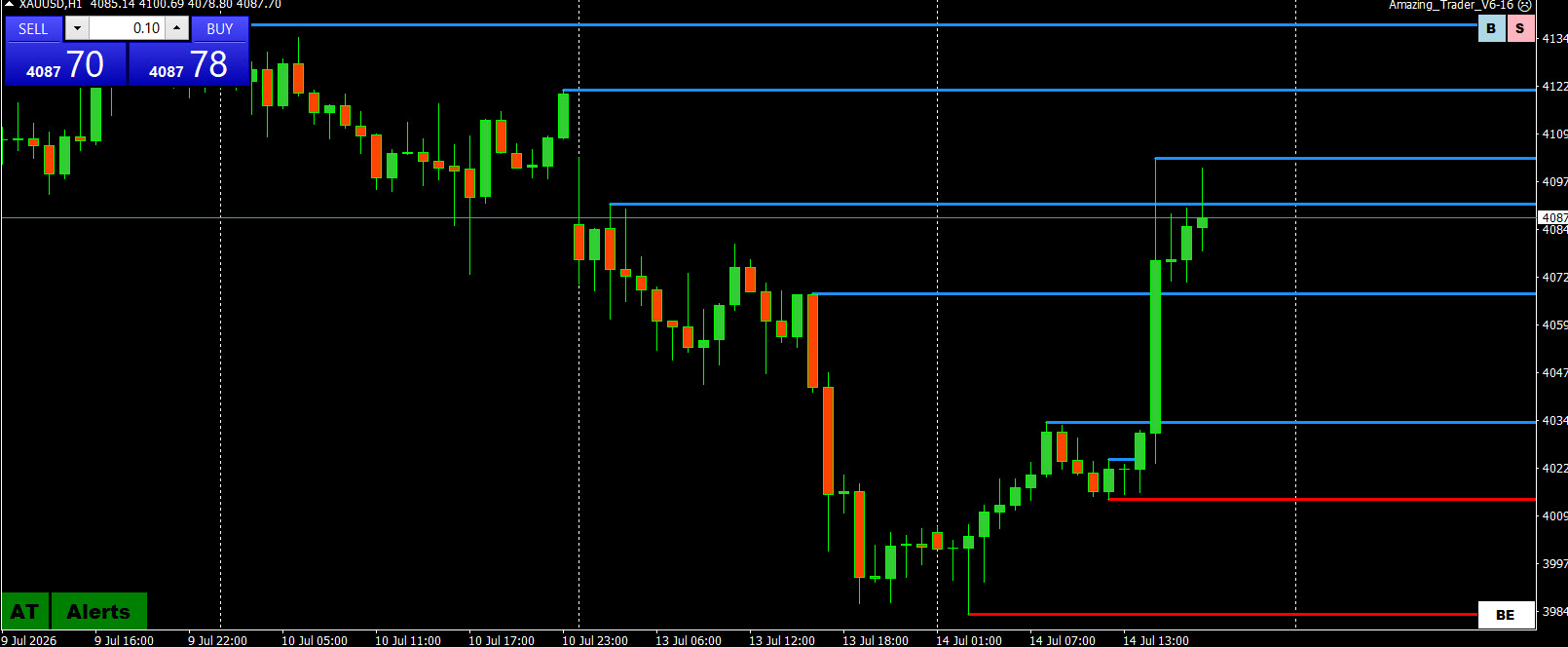
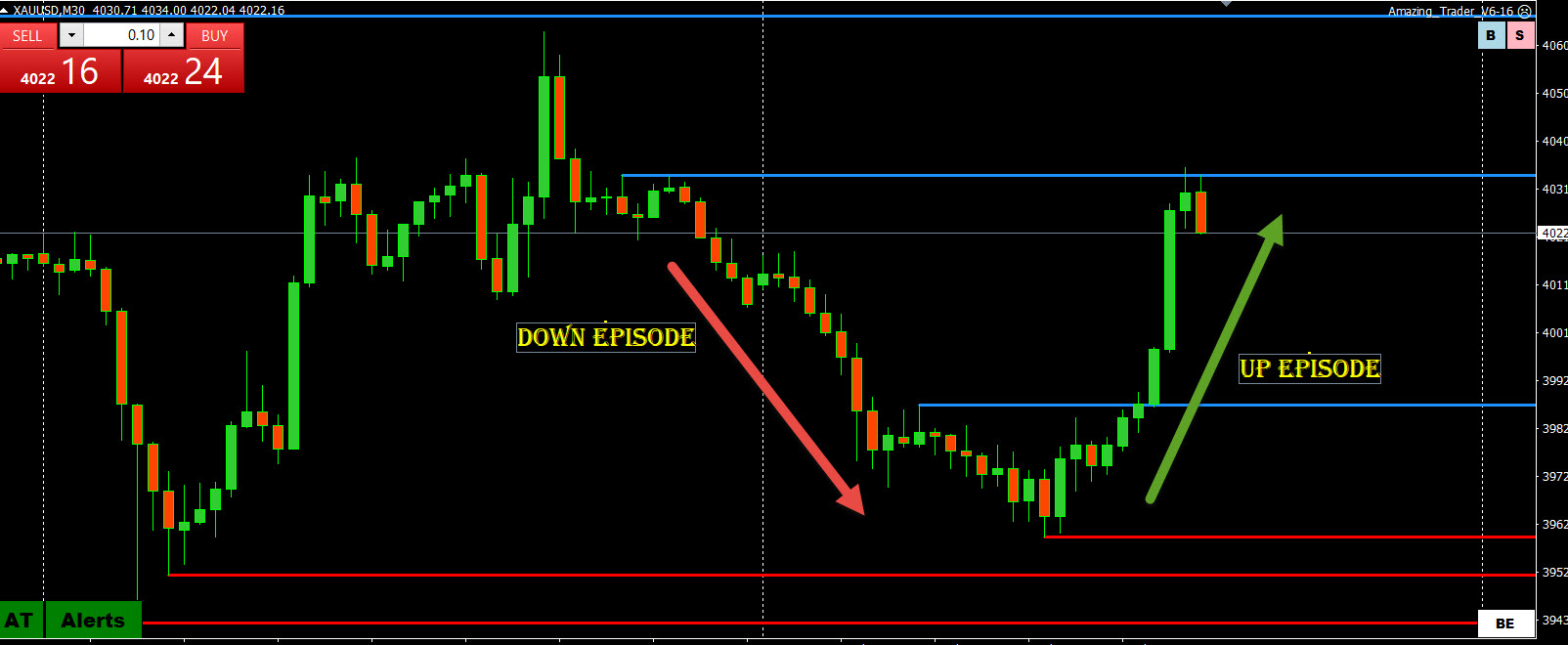
XAUUSD 1 hour chart (economic news spike)
Investing Tips
Hope is not a trading strategy.
Your stop-loss should be based on market structure, not on the amount of money you hope not to lose.
Rule #4: Stop Obsessing Over Break-Even Stops
Many traders believe moving a stop-loss to break even is automatically good risk management.
Sometimes it is.
Often it isn’t.
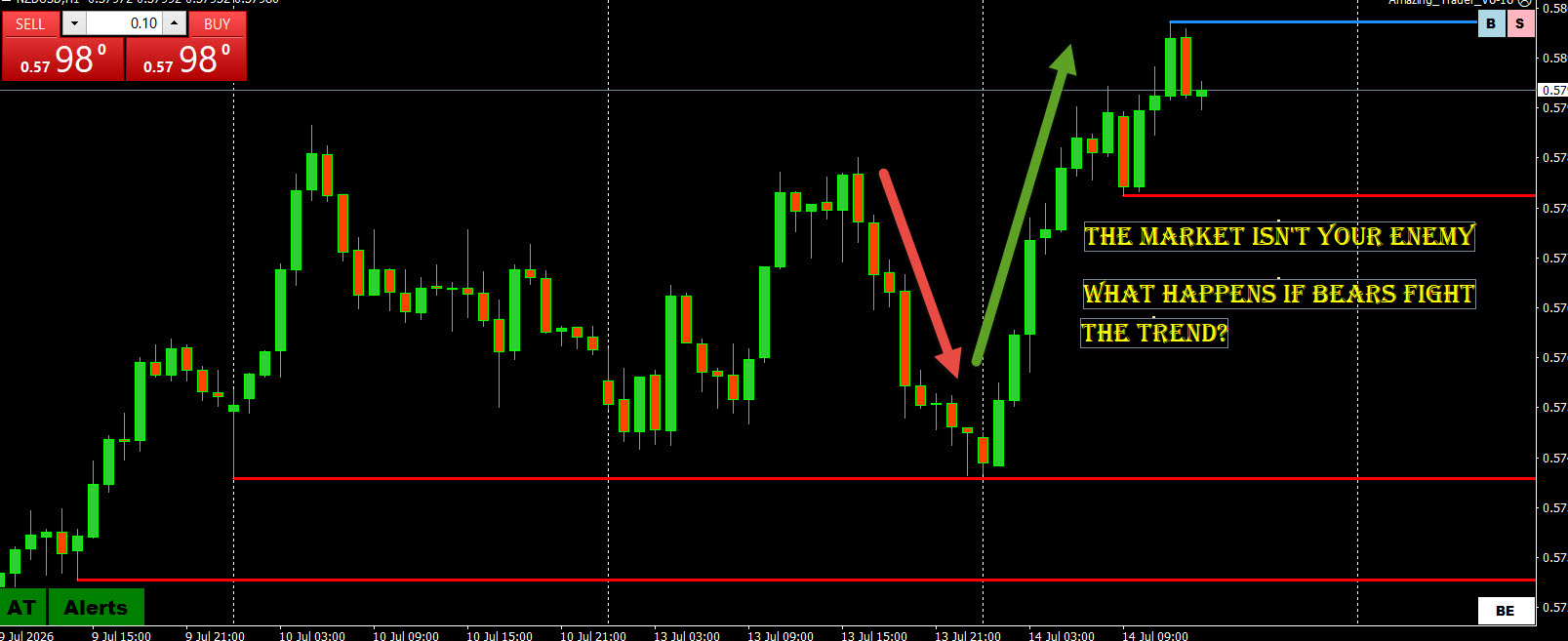
Markets rarely move in a straight line. Healthy trends frequently retrace before continuing in the original direction.
Moving your stop to break even too quickly often results in being stopped out of perfectly good trades before the real move begins.
Protect your capital but don’t protect it so aggressively that you never give your trades room to work.
Rule #5: Think in Terms of Risk Versus Reward
Every trade should offer a favorable balance between potential reward and acceptable risk.
Many traders use a minimum risk-to-reward ratio of 1:2, meaning they seek to make at least two dollars for every dollar they risk.
The exact ratio isn’t as important as consistency.
Some trading strategies achieve high win rates with smaller reward targets, while trend-following strategies often accept lower win rates in exchange for much larger winning trades.
The key is understanding how your strategy performs over a large sample of trades rather than judging it by individual outcomes.
Investing Tips
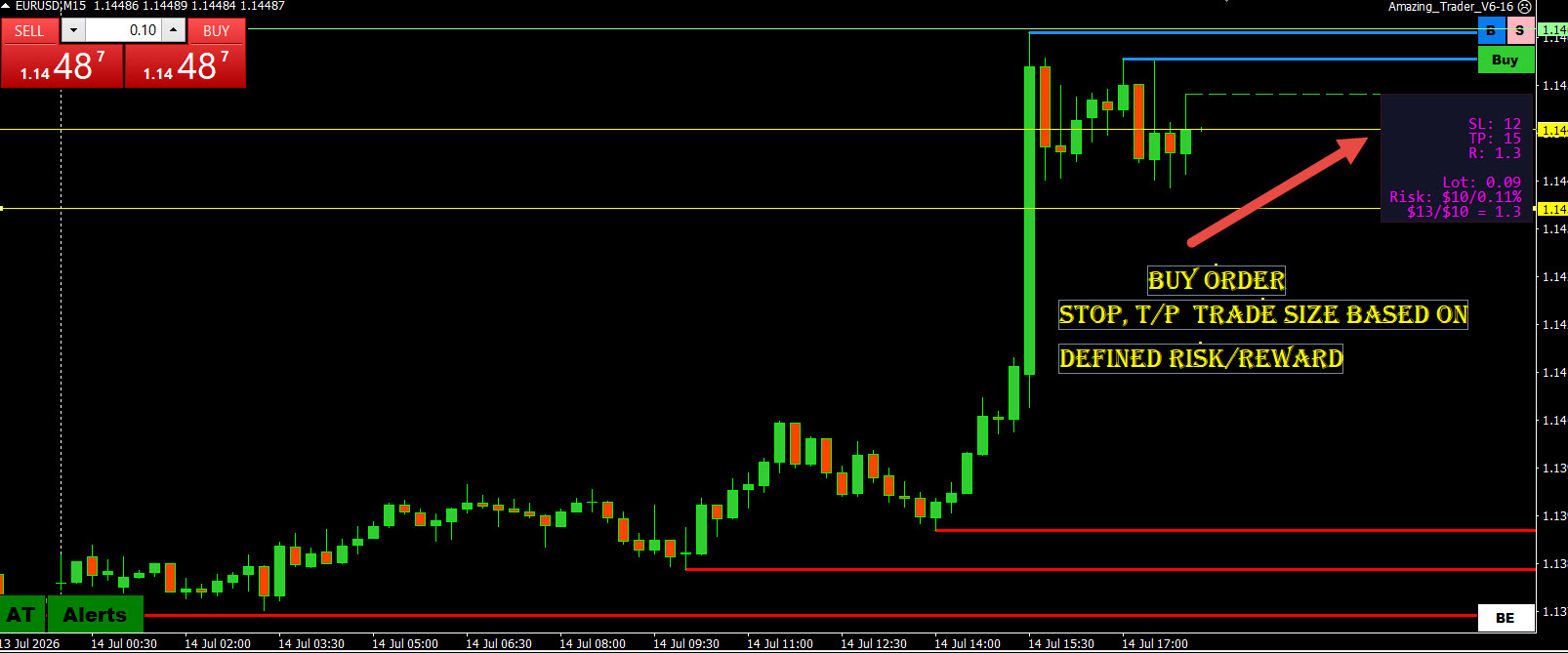
EURUSD 1 5 minute chart
Buy order: Stop, t/p, position size based on pre-defined risk vs. reward
Investing Tips
Rule #6: Position Size Matters More Than Most Traders Realize
Not every trade deserves the same amount of capital.
A high-probability setup supported by multiple technical and fundamental factors may justify a larger position than a speculative trade with greater uncertainty.
Position sizing should reflect:
- Confidence in the setup
- Market volatility
- Distance to your stop-loss
- Overall portfolio exposure
Professional traders don’t simply trade larger because they “feel good” about a position. They adjust position size according to calculated risk.
Rule #7: Win Rate Doesn’t Tell the Whole Story
Many traders obsess over having a high winning percentage.
In reality, profitability depends on the relationship between your average winner and your average loser.
A trader winning 40% of trades can outperform someone winning 70% if their winners are significantly larger than their losses.
The objective isn’t to win every trade.
The objective is to make more money from winning trades than you lose from losing ones.
Rule #8: Respect the Power of Leverage
Leverage is one of the greatest advantages available to traders.
It is also one of the fastest ways to destroy an account.
Leverage magnifies both profits and losses. Used responsibly, it improves capital efficiency. Used recklessly, it accelerates mistakes.
Never choose your position size based solely on the amount of leverage your broker offers.
Instead, let your risk management determine how much leverage is appropriate.
Rule #9: Watch for Correlated Positions
Many traders unknowingly increase risk by holding multiple positions that move together.
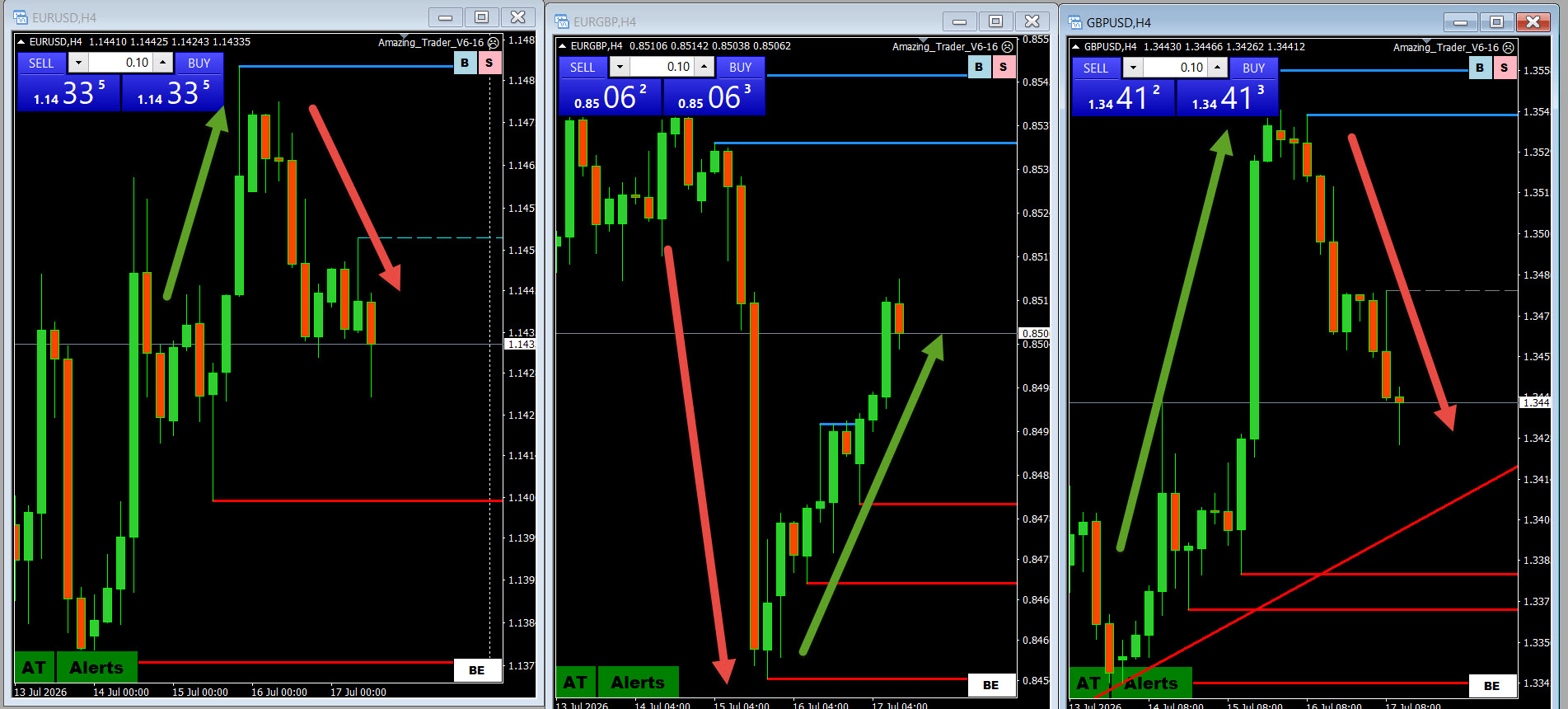
Buying several technology stocks, owning gold while also buying silver, buying (selling) multiple currencies that tend to move in the same direction vs. the dollar or taking multiple positions that depend on the same economic theme may appear diversified.
In reality, they’re often variations of the same trade.
Understanding market correlations helps reduce hidden portfolio risk and prevents one market event from affecting multiple positions simultaneously.
Rule #10: Consistency Is Your Greatest Edge
The best traders don’t have perfect strategies.
They have repeatable processes.
Risk similar amounts on every trade.
Follow predefined rules.
Accept losses without becoming emotional.
Most importantly, they understand that trading success isn’t determined by one trade, one week, or even one month.
It is determined by consistently applying sound risk management over hundreds of trades.
To sum up, every trader dreams of finding the next great market opportunity, but successful trading begins long before you identify an entry signal.
It begins with protecting your capital.
Markets will always offer another opportunity, but only if you have the discipline and capital to take advantage of it.
The traders who survive, and ultimately thrive, aren’t necessarily the smartest or the most accurate. They’re the ones who understand that managing risk isn’t a defensive strategy.
It’s the foundation upon which every successful trading career is built.
Master these ten rules, make them part of your daily routine, and you’ll give yourself one of the greatest advantages any trader can have: the ability to stay in the game long enough for skill, discipline, and experience to work in your favor.
Investing Tips
Daily Tips
Trading Blog
Test Plugin
About author

Add comment